




Jun
Magnesium has been making waves across social media lately — and for once, the hype is well‑deserved. Wellness experts call it a “miracle mineral” for stress relief, brain support, sleep, and cardiovascular protection. And while we’re usually cautious about online health trends, this is one we’ve confidently recommended to our clients for over a decade.
Why? Because magnesium is one of the simplest, most effective ways to support your heart, calm your nervous system, and restore balance to your entire body.
“Magnesium is the spark that keeps the engine of life running.”
Let’s explore why this mineral matters so much — and how to know if you’re running low.

Magnesium: A Foundation for Whole‑Body Health
In our clinic, correcting magnesium deficiency is often one of the fastest ways clients experience meaningful improvements in cardiovascular health, energy, sleep, and emotional resilience.
A growing body of research confirms what we’ve seen firsthand:
- A 10‑year study in Atherosclerosis found that people with low magnesium had double the risk of death from heart problems, and 7x higher all‑cause mortality.
- A Harvard study showed women with the highest magnesium levels had a 77% lower risk of sudden cardiac death.
- A major meta‑analysis concluded that adequate magnesium intake reduces multiple cardiovascular risk factors.
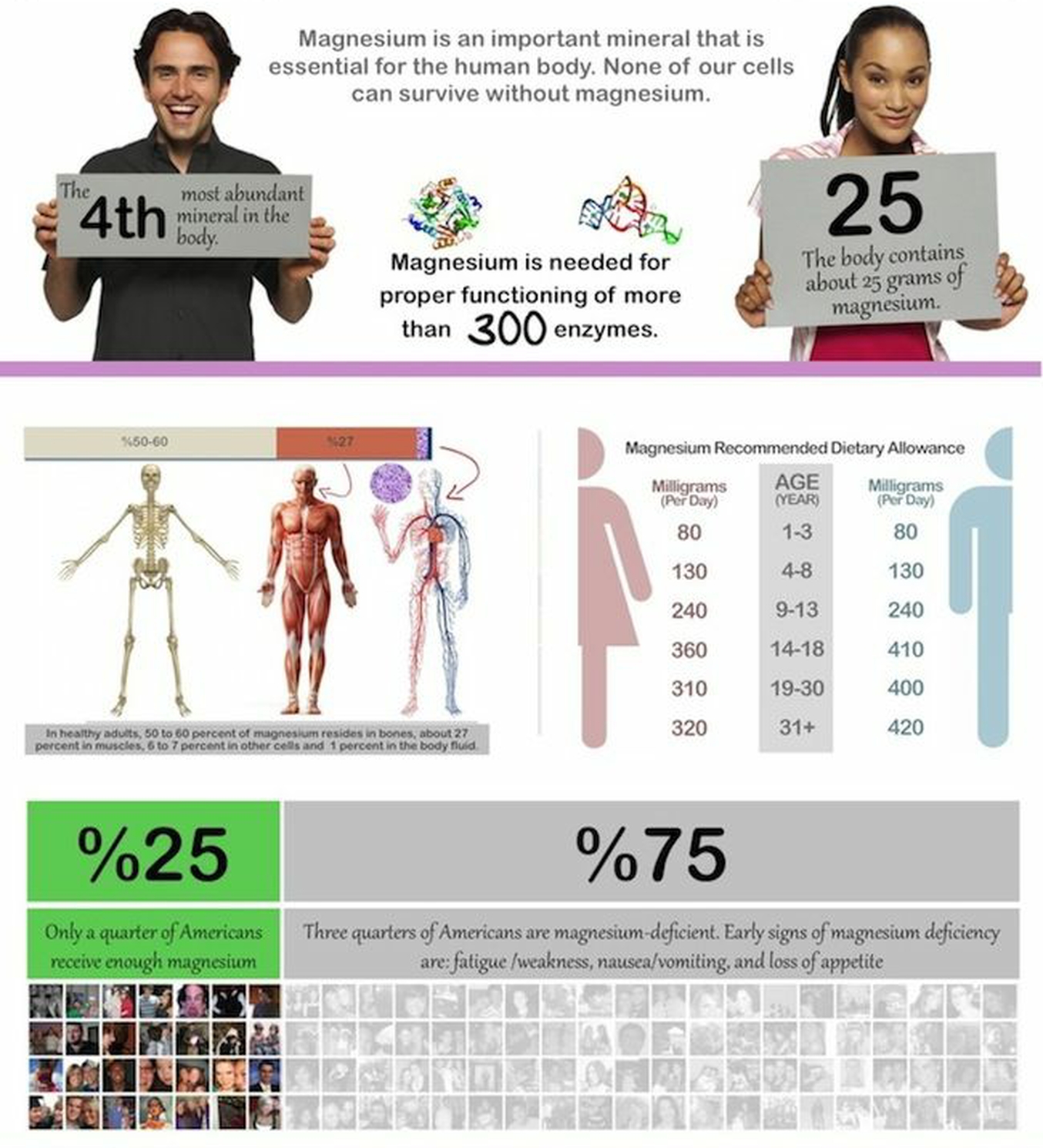
Yet up to 75% of adults aren’t getting enough — and most don’t know it.


Why Your Body Depends on Magnesium
Magnesium is involved in more than 300 biochemical reactions. It supports:
- Heart rhythm and blood pressure
- Bone strength
- Muscle and nerve function
- Energy production (ATP)
- DNA synthesis
- Mineral balance (calcium, potassium)
When magnesium is low, the body struggles to maintain equilibrium. Symptoms often get misattributed to stress, aging, or “just life,” which is why deficiency frequently goes undetected.
“Where there is tension, there is often a magnesium deficiency.”

Are You Magnesium Deficient?
With three out of four adults falling short, the odds are high — and many doctors miss it because symptoms can be vague or overlap with other conditions.
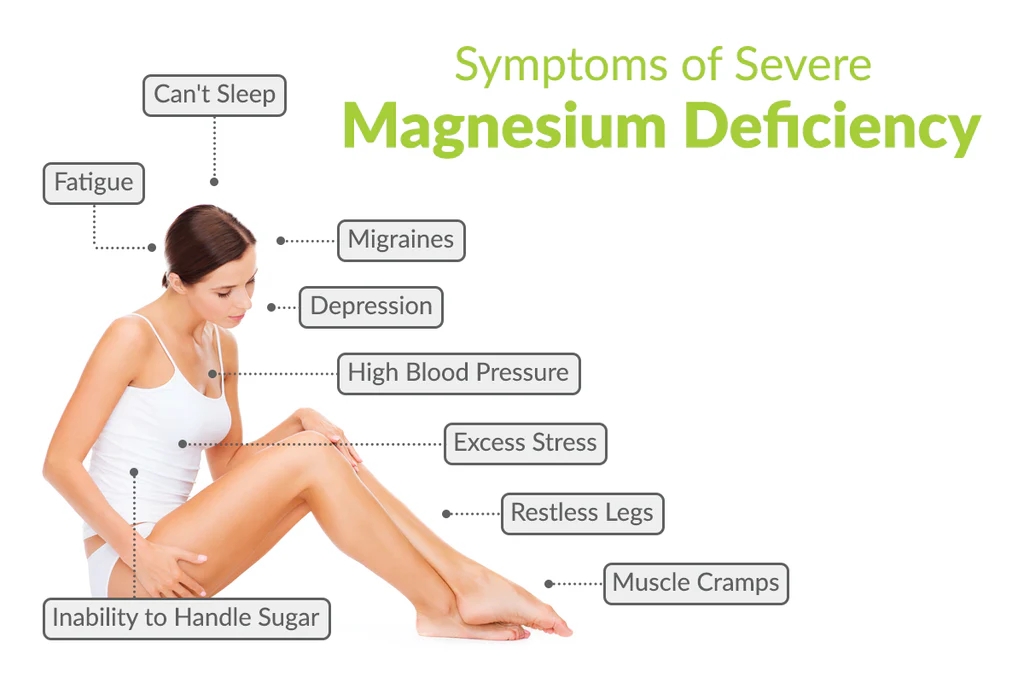
Magnesium deficiency can be “silent,” but more often it shows up as:
- Aches, pains, or muscle tightness
- Trouble sleeping
- Stress, anxiety, or irritability
- Fatigue or weakness
- Headaches
- Heart rhythm irregularities
- Brain fog or memory issues
- Constipation
- Chocolate cravings (yes, really)
If several of these resonate, your body may be signaling that it needs more magnesium.

Five Ways Magnesium Transforms Your Health
When your cells finally get the magnesium they need, the shift can be remarkable. Clients often describe it as “feeling like myself again.”
Here’s what this mineral does behind the scenes:
1. Protects Your Heart
Magnesium helps your heart muscle contract and relax properly, supports healthy blood pressure, and stabilizes rhythm. It’s one of the most protective minerals for cardiovascular health.
2. Dissolves Stress and Tension
It regulates neurotransmitters, calms the nervous system, and helps your brain shift out of fight‑or‑flight.
3. Supports Deep, Restorative Sleep
Magnesium helps regulate melatonin and GABA, two key players in falling — and staying — asleep.
4. Boosts Energy
Magnesium is essential for ATP production, the energy currency of every cell.
5. Builds Strong Bones
It works alongside calcium and vitamin D to support bone density and structure.

Magnesium & Your Heart: A Critical Connection
Your heart is a muscle — and magnesium is one of its most important nutrients.
It supports:
- Healthy contraction and relaxation
- Stable rhythm
- Nitric oxide production for blood vessel dilation
- Balanced blood pressure
One double‑blind study using 300 mg/day for 12 weeks showed significant reductions in both systolic and diastolic blood pressure.

Magnesium & Your Brain: The Relaxation Mineral
Magnesium regulates receptors involved in learning, memory, mood, and stress response. Without enough, these receptors become overstimulated — leading to anxiety, irritability, and mental fatigue.
Large population studies link low magnesium intake with higher rates of anxiety and emotional stress.
“Magnesium is nature’s original anti‑stress mineral.”

How to Correct Magnesium Deficiency
Start with a conversation with your healthcare provider. A blood test can help, though magnesium levels in blood don’t always reflect total body stores.
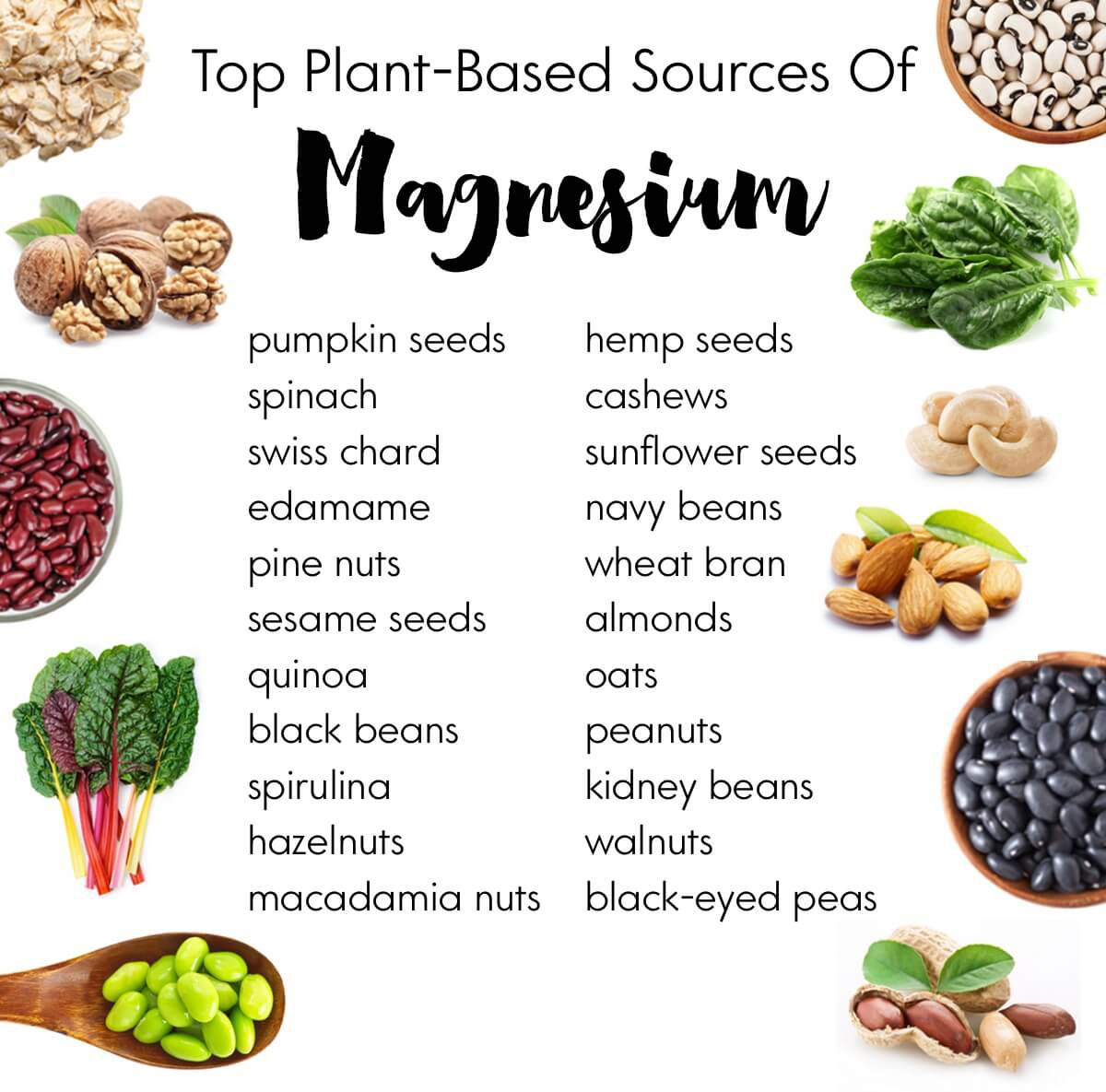
Dietary sources include:
- Leafy greens
- Nuts and seeds
- Legumes
- Whole grains
However, modern soil depletion means food alone often isn’t enough — which is why supplementation is so effective.

Choosing the Right Magnesium Supplement
Not all magnesium is created equal. Many common forms are poorly absorbed and cause digestive upset.
Forms to avoid:
- Magnesium Oxide — poorly absorbed, strong laxative
- Magnesium Carbonate — low solubility, digestive issues
- Magnesium Citrate — better absorbed but often causes loose stools
The form we recommend most is magnesium glycinate — gentle, highly absorbable, and deeply supportive for the nervous system.
Glycine enhances magnesium’s calming effects and supports neurotransmitter balance, making this form ideal for stress, sleep, and cardiovascular support.

Why We Recommend Durable MAGNESIUM
After years of searching for a clean, pure, highly absorbable magnesium glycinate, we found a formula that meets our standards: Durable MAGNESIUM.
What sets it apart:
- 100% pure magnesium glycinate — no inferior blends
- 300 mg research‑based dose
- Gentle on digestion
- Natural rice fiber as the only flow agent
- Packaged in non‑toxic amber glass
- Made in the USA in an FDA‑inspected facility
Clients often feel benefits quickly — calmer mood, better sleep, less tension, more steady energy.

Final Thoughts: Your Body Thrives When Magnesium Is Abundant
Magnesium is one of the most essential — and most overlooked — minerals for whole‑body health. When levels are low, the body struggles. When levels are restored, everything from your heart to your mood to your sleep can improve.
Correcting a deficiency doesn’t require complicated protocols. It simply requires awareness, consistency, and choosing a form your body can truly use.
As we often remind our clients:
“When you nourish the body at the cellular level, healing becomes possible.”
If you suspect you’re low in magnesium, take it seriously. Talk with your healthcare provider, increase magnesium‑rich foods, and consider a high‑quality magnesium glycinate supplement to restore balance.
Your heart, brain, sleep, and energy will thank you.
Body-Field Scan
Ready to find out what’s impacting your energy levels by using our bioenergetic scanning technology. Check out your body’s energy with a Body-Field scan and gain deeper insight into your holographic self with our certified Bioenergetic Practitioner. For an In-Clinic visit click here, or, for a Telehealth (remote) session click here.
We offer a completely new, alternative and bioenergetic healthcare approach based on 21st century science, technology and quantum physics with personalized, holistic therapy solutions such as, our unique BioScalar Infusion℠ therapy, Bioenergetic body-field scan technology, miHealth biofeedback, PEMF, Rife and Vibroacoustic (VAT) therapies that can restore optimal health and well-being throughout the body, mind and spirit in the most natural way. Let us help you restore your health and energy!