


May
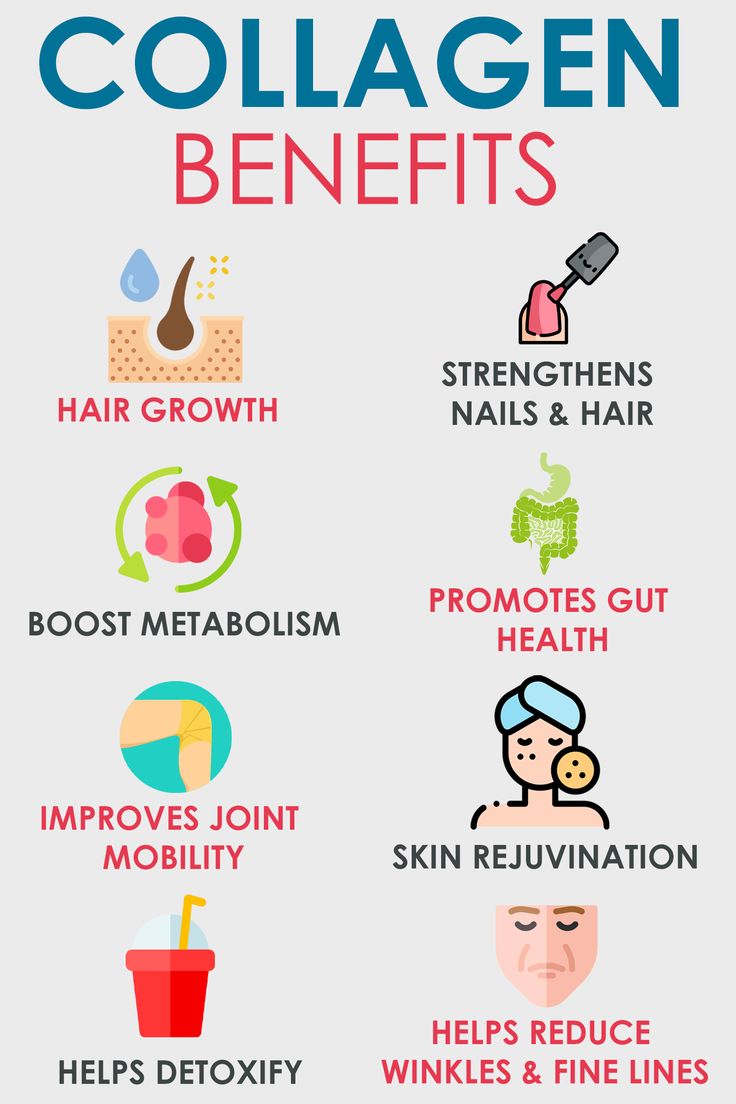
Collagen is the most abundant protein in the human body — the scaffolding that keeps everything firm, flexible, and functional. As collagen production declines with age, the effects ripple through your skin, joints, bones, gut, metabolism, and even cardiovascular system.
“If collagen is the glue that holds you together, aging is simply the slow unraveling of that glue.”
This guide gives your readers a deeper understanding of collagen’s role, why it declines, and how to naturally support it.
🧬 What Exactly Is Collagen?
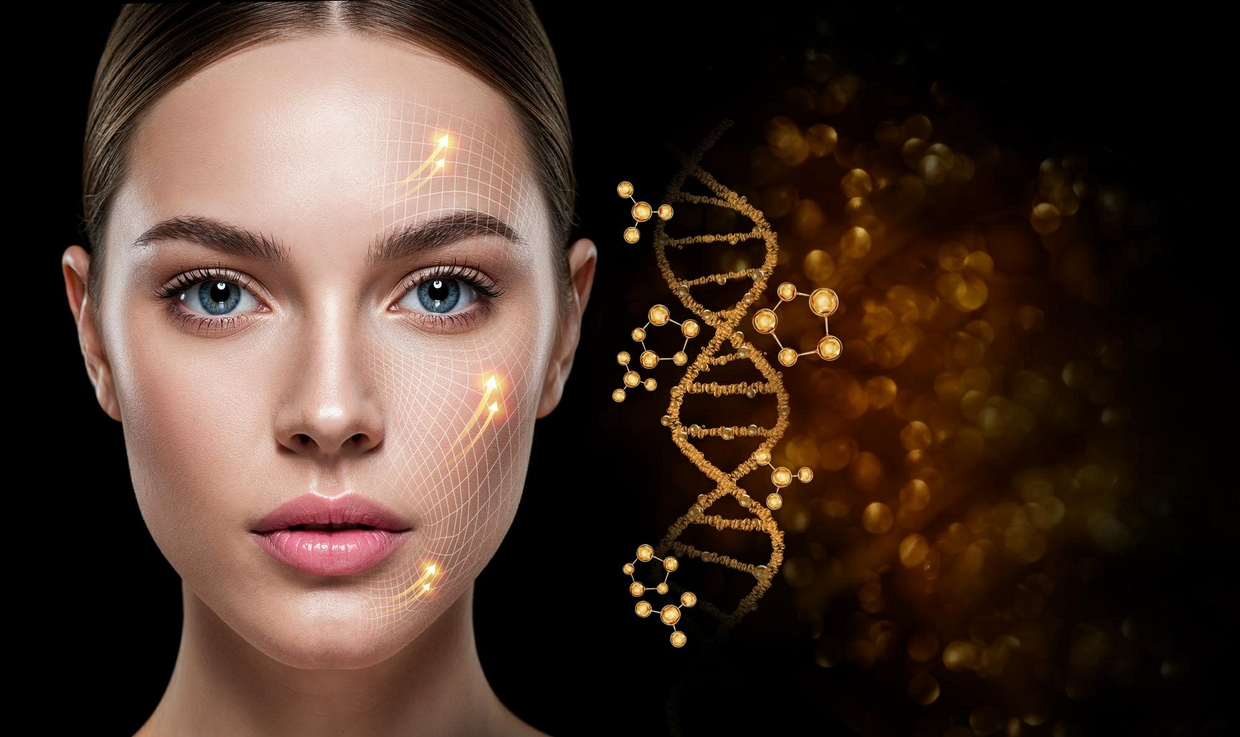
Collagen makes up about 30% of all protein in the human body. It forms the structural framework for your skin, bones, tendons, ligaments, cartilage, gut lining, and blood vessels — essentially the internal architecture that keeps everything supported and resilient.
There are at least 29 known types of collagen, but the most important for human health include:
- Type I — skin, bone, tendons, organs (over 90% of collagen in the human body)
- Type II — cartilage and joints
- Type III — connective tissue, vessels
- Type IV — basement membranes
- Type V — hair, cell surfaces, placenta
Why it matters
Each type plays a distinct structural role. When collagen declines, the tissues that depend on it weaken — and the symptoms show up everywhere, from skin elasticity to joint comfort to gut integrity.
“Collagen decline isn’t cosmetic — it’s structural.”

⏳ Why Collagen Declines — and Why It Matters
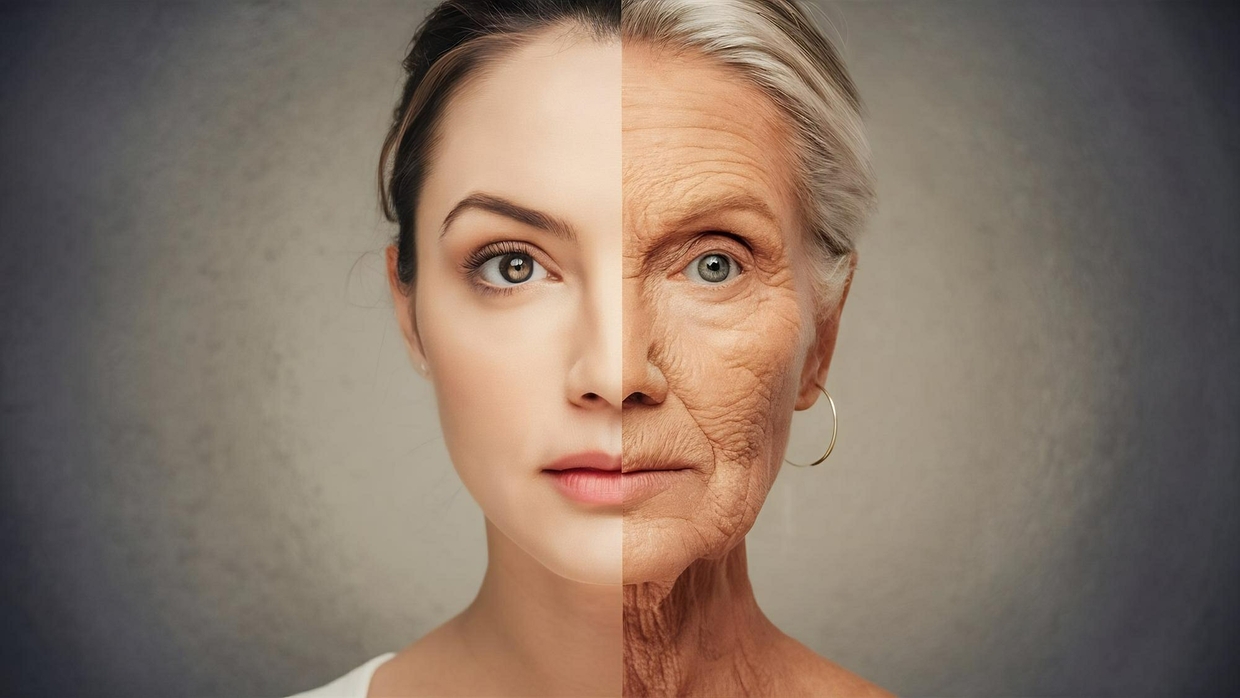
Around age 40, fibroblasts — the cells responsible for producing collagen — begin to slow down. Stress, inflammation, poor sleep, nutrient deficiencies, and gut dysfunction accelerate this decline. Over time, collagen breakdown outpaces collagen production, and the body’s structural integrity begins to shift.
What declining collagen affects
- Skin: wrinkles, sagging, dryness
- Joints: stiffness, cartilage wear
- Bones: reduced density, higher fracture risk
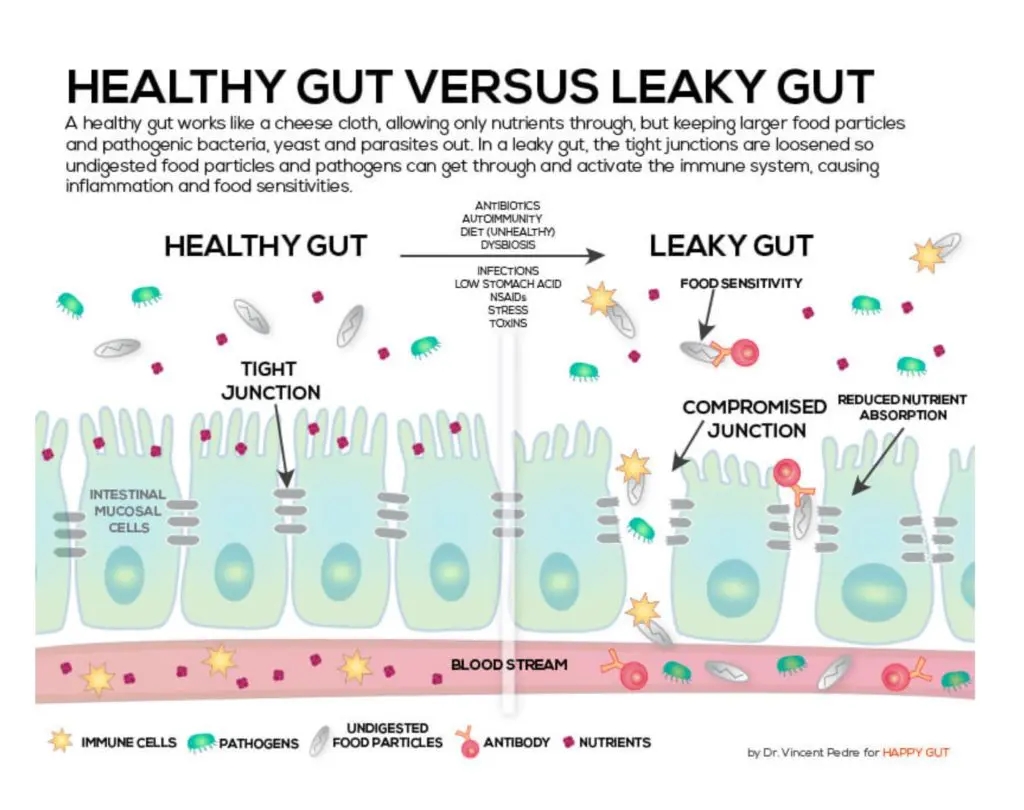
- Gut: weakened barrier → leaky gut
- Muscles: slower repair, reduced strength
- Heart & vessels: reduced elasticity, higher cardiovascular risk
Why it matters
You may notice collagen loss first in your skin, but the deeper effects are far more significant. Bones lose density. Joints become less cushioned. The gut lining becomes more permeable. Muscles repair more slowly. Blood vessels stiffen. These changes aren’t isolated — they’re interconnected, because collagen is woven into nearly every system.
“Aging is not the loss of youth — it’s the loss of collagen.”
🩺 1. Gut Health & Leaky Gut Repair
Your gut lining regenerates every 3–5 days, but only if it has the raw materials to rebuild. Collagen provides two of the most important: glycine and glutamine. These amino acids help seal the intestinal barrier, soothe inflammation, and support the mucosal layer that protects your digestive tract.
Collagen supports:
- Repairing damaged gut cells
- Strengthening the mucosal barrier
- Reducing inflammation in the digestive tract
- Supporting immune activity within the gut
- Restoring tight junctions to prevent leaky gut
Why it matters
When collagen is low, the gut lining becomes more permeable — allowing irritants, toxins, and undigested food particles to enter the bloodstream. This triggers immune reactions, inflammation, and a cascade of symptoms throughout the body. Collagen helps restore integrity to the gut wall, making it one of the most gut‑friendly proteins available.
“A healthy gut is built — quite literally — on collagen.”

🦴 2. Bone Density & Joint Strength
More than 90% of the organic structure of bone is collagen. Minerals like calcium and magnesium rely on collagen fibers as their scaffolding. Without collagen, bones become brittle — even if mineral intake is adequate.
Collagen supports:
- Stimulating bone formation and remodeling
- Rebuilding and maintaining cartilage
- Enhancing joint lubrication and cushioning
- Supporting recovery after physical activity
- Reducing stiffness and joint discomfort
Why it matters
Collagen forms the cushiony cartilage that protects your joints. As collagen declines, cartilage thins, leading to stiffness, discomfort, and reduced mobility. This is why collagen supplementation has been shown to improve bone mineral density and support joint comfort, especially in aging populations.
A notable study found that 5g/day of collagen peptides for 12 months increased bone density in postmenopausal women at risk of osteoporosis.
❤️ 3. Cardiovascular Health
Glycine — one of collagen’s primary amino acids — is cardioprotective due to its anti‑inflammatory and antioxidant properties. Research shows that low glycine levels correlate with higher risk of heart attack, and supplementation can improve lipid ratios and arterial flexibility.
Collagen supports:
- Improving LDL/HDL ratios
- Enhancing arterial flexibility
- Reducing arterial stiffness
- Supporting healthy vascular structure
Why it matters
Your blood vessels are made of collagen. When collagen declines, vessels lose elasticity, contributing to stiffness, higher blood pressure, and increased cardiovascular risk. Collagen’s role in cardiovascular health is often overlooked, yet it is foundational to vascular resilience.
“Your cardiovascular system is only as flexible as the collagen that supports it.”

✨ 4. Skin, Hair & Nail Vitality
Collagen is the protein that keeps skin firm, hydrated, and elastic. As production slows, the skin’s structural matrix weakens, leading to wrinkles, dryness, and sagging. Hair and nails also rely on collagen for strength and growth — brittle nails and thinning hair are often early signs of collagen decline.
Collagen supports:
- Improving skin hydration
- Enhancing elasticity and firmness
- Reducing wrinkle depth
- Strengthening nails
- Supporting hair follicle resilience
Why it matters
Collagen peptides stimulate fibroblasts to produce new collagen, elastin, and hyaluronic acid — the trio responsible for youthful, resilient skin. This is why collagen supplementation improves skin barrier function and hydration.

🔥 5. Metabolism, Muscle & Energy
Collagen supports lean muscle mass, metabolic function, and stable energy levels. Glycine helps regulate blood sugar, supports neurotransmitter balance, and reduces inflammation — all of which contribute to metabolic stability.
Collagen supports:
- Maintaining lean muscle mass
- Supporting a healthy metabolic rate
- Balancing the nervous system
- Promoting steady, sustained energy
Why it matters
Many people notice improved recovery, steadier energy, and better muscle tone when collagen becomes part of their daily routine. Its amino acid profile is uniquely supportive of metabolic and muscular health.

🌙 6. Sleep Quality
Glycine has a calming effect on the nervous system. Studies show it can help you fall asleep faster, sleep more deeply, and wake feeling more refreshed.
Collagen supports:
- Improving sleep onset
- Deepening restorative sleep
- Supporting nighttime tissue repair
- Reducing nighttime awakenings
Why it matters
Because collagen is naturally rich in glycine, it supports nighttime repair and recovery — helping your body rebuild while you rest.
“Collagen doesn’t just help you look better — it helps you recover better.”

🌿 Natural Ways to Support Your Collagen Levels
Before turning to supplements, there are foundational habits that help your body rebuild collagen naturally.
1. Prioritize Vitamin C
Your body cannot make collagen without vitamin C.
Sources: citrus, berries, peppers, leafy greens.
2. Reduce Sugar & Processed Foods
Sugar binds to collagen and makes it brittle — a process called glycation.
3. Improve Sleep Quality
Collagen repair happens at night. Poor sleep = poor repair.
4. Support Your Gut
A healthy gut absorbs collagen‑building nutrients more effectively.
5. Eat Collagen‑Rich Foods
Bone broth, slow‑cooked meats, gelatin‑based foods.
6. Use High‑Quality Collagen Supplements
Especially after age 40, supplementation becomes one of the most reliable ways to maintain collagen levels.
⭐ Our Recommended Collagen Supplement
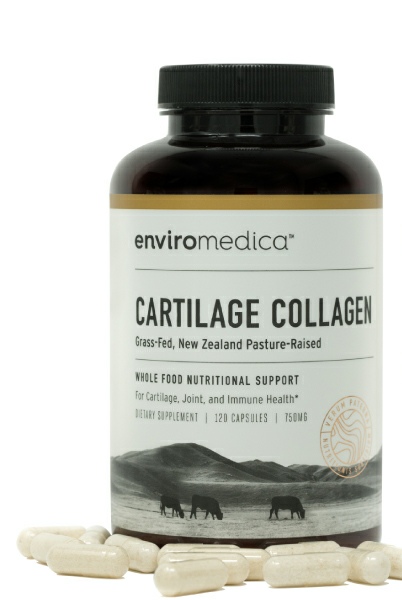
Enviromedica Pastured Cartilage Collagen
This formula provides:
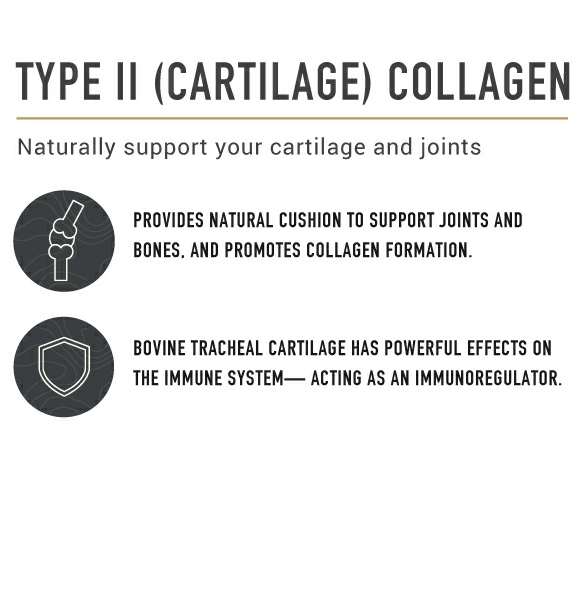
- Undenatured Type II Collagen
- Chondroitin sulfate
- Bioactive cartilage compounds
- Naturally occurring nutrients in correct physiological ratios
Unlike standard collagen peptides, cartilage collagen is more specialized — ideal for joint repair, cartilage regeneration, gut support, and immune modulation.
Want to start supplementing Cartilage Collagen? Click here to get yours!

🧠 Final Thought
Collagen is not a trend — it’s a structural necessity. As production declines with age, supporting your body becomes essential for maintaining resilience, mobility, gut integrity, and youthful vitality.
If you’re ready to understand your body’s repair systems more deeply, our Total Wellness Session uses a full body‑field scan to identify where your collagen pathways — and your overall energy systems — need support.
➡️ Your Next Step
If you’re ready to understand your body’s repair systems more deeply at the bioenergetic level — consider scheduling a Total Wellness Session (Remote or In-Clinic) with a full Body‑Field scan.
It’s one of the most effective ways to understand why your body behaves the way it does and how to support it from the inside out.
“Your body is designed to heal. Collagen simply gives it the building blocks to do so.”
Body-Field Scan
Ready to find out what’s impacting your energy levels by using our bioenergetic scanning technology. Check out your body’s energy with a Body-Field scan and gain deeper insight into your holographic self with our certified Bioenergetic Practitioner. For an In-Clinic visit click here, or, for a Telehealth (remote) session click here.
We offer a completely new, alternative and bioenergetic healthcare approach based on 21st century science, technology and quantum physics with personalized, holistic therapy solutions such as, our unique BioScalar Infusion℠ therapy, Bioenergetic body-field scan technology, miHealth biofeedback, PEMF, Rife and Vibroacoustic (VAT) therapies that can restore optimal health and well-being throughout the body, mind and spirit in the most natural way. Let us help you restore your health and energy!