


May
“Sometimes the things we chase for health are the very things that hold us back.”
Antioxidants have been crowned the heroes of modern wellness. You’ve heard the stories: exotic berries from untouched rainforests, ancient fruits rediscovered, miracle compounds with names that sound like they belong in a sci‑fi novel. And of course, the classics — vitamin C, vitamin E, zinc — the staples of every “immune support” shelf.
But what if the story isn’t as straightforward as it seems? What if the antioxidant craze has quietly drifted far from what the science actually shows?
Let’s take a deeper, more grounded look.
The Antioxidant Trap
There was a time when antioxidants were ranked like Olympic athletes. The ORAC scale — Oxygen Radical Absorbance Capacity — became the gold standard. Colorful charts crowned blueberries, acai, turmeric, and curcumin as the reigning champions of free‑radical destruction.
Then, in 2012, the USDA quietly removed the ORAC database.
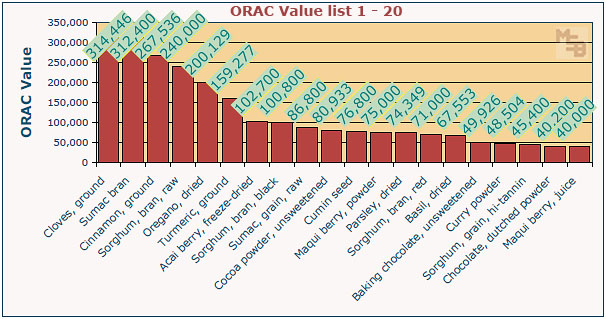
Why? Because the impressive antioxidant “power” seen in test tubes simply didn’t translate inside the human body.
The so-called super free radical quenching superpowers of foods could not be proven in the human body (in vivo).
Antioxidants break down too quickly to deliver the dramatic benefits supplement companies promised. The entire ORAC system collapsed under the weight of real-world evidence.
What this means for you:
Those “super antioxidant” supplements likely aren’t doing much — if anything at all.
Yet supplement companies and marketing moguls still proclaim the potential of antioxidants.
Now, this isn’t to say antioxidants are bad, just that you’re unlikely to see any benefit from taking a supplement!!


What Antioxidants Really Are
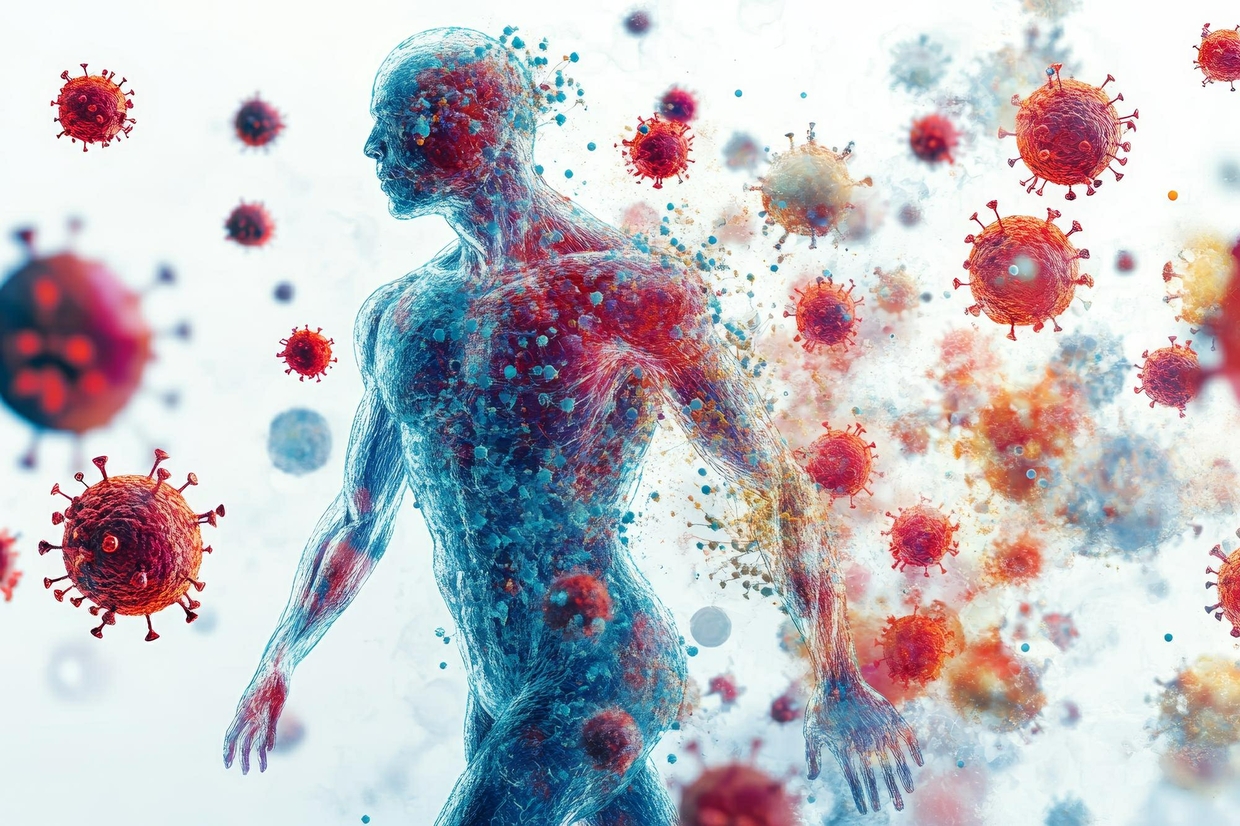
Plants produce antioxidants as part of their self-defense system. Harsh sun, drought, microbes, insects — all of these stressors push plants to create polyphenols, flavonoids, and phenolics.
These compounds are not designed for your benefit. They’re designed to protect the plant.
In fact, many phenolics are mildly toxic to herbivores — a built‑in deterrent.
So, when you consume antioxidants, you’re essentially ingesting a tiny dose of the plant’s stress‑response chemistry.
This isn’t a bad thing — in small amounts, it can even be beneficial. But it’s a reminder that antioxidants are not magical “health boosters.” They’re biological tools with specific roles.
In a nutshell, antioxidants are part of the plant’s primary self-defense system.
The Real Benefits — and the Real Limits
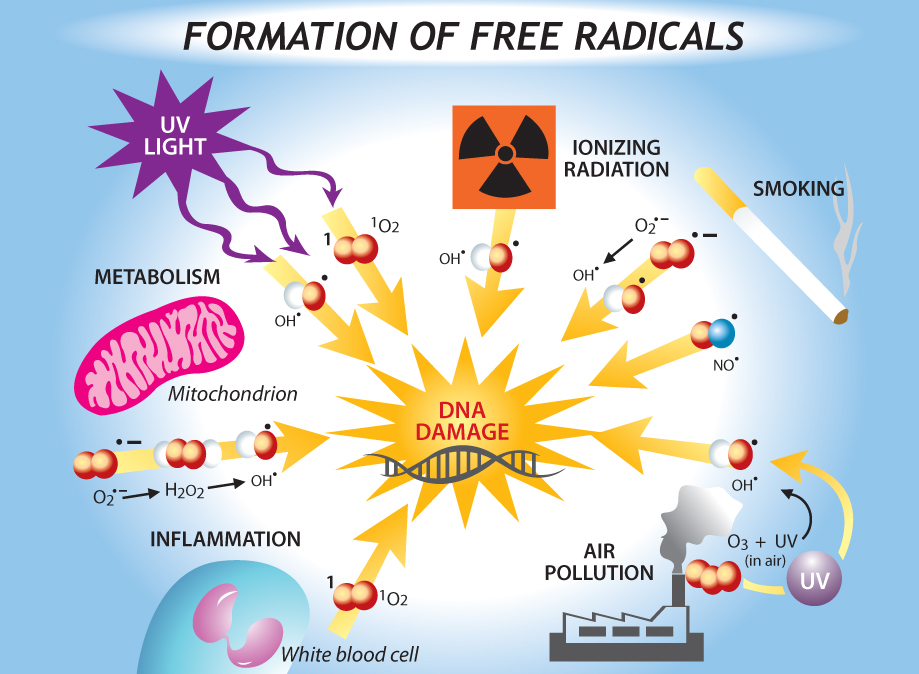
Your body naturally produces free radicals every day — through metabolism, exercise, and environmental exposure. And your body also produces its own antioxidants to keep everything in balance.
You may need extra support if you’re:
- Smoking
- Over‑exercising
- Exposed to pollution or toxins
That means if you live anywhere near a city, your body likely has more free radicals than normal. These free radicals can run amok in your body and drive your immune system into a corner.
But even then, food-based antioxidants are usually enough.
Let’s go back to plants.
When you eat plants or take an antioxidant supplement, you’re ingesting the plant’s defense system. With phenols, specifically, you’re eating something that is supposed to be mildly poisonous to herbivores, or at least, should act as a deterrent.
Plants produce more antioxidants when stressed — and when you eat them, your body receives a gentle nudge, not a megadose.
“A little stress strengthens the system. Too much shuts it down.”
This is why small amounts of plant antioxidants can help your mitochondria function better… but large supplemental doses can actually interfere with your body’s natural adaptation processes.

When Antioxidants Become Counterproductive
Let’s talk about vitamin C and zinc — the two most popular “immune boosters.”
Both have benefits. Both also have limits.
- Vitamin C can cause digestive upset at high doses.
- Zinc can impair your sense of smell when overused.
But the bigger issue is this:
High-dose antioxidant supplements can blunt your body’s natural stress response.
Studies show that taking large amounts of antioxidants — especially around workouts — can:
- Reduce training adaptations
- Limit muscle growth
- Interfere with mitochondrial signaling
Why? Because free radicals aren’t just “bad guys.” They’re messengers. They tell your body when to adapt, repair, and grow stronger.
When you drown them with supplements, you silence the very signals your body needs.
So… Should You Take Antioxidant Supplements?
In most cases, no.
Your body is fully capable of producing the antioxidants it needs — as long as it has the right nutrients, the right environment, and the right internal communication.
Food provides the gentle, balanced input your system understands. Supplements often overshoot the mark.
“Nature rarely works in extremes. It works in balance.”
A Better Way to Support Your Immune System
Your body already contains the blueprint for a strong, responsive immune system. That blueprint lives in the structured water surrounding your DNA — the medium that carries the bio-information your cells rely on.
But modern life disrupts that communication:
- Toxins
- Sugar
- Stress
- Poor sleep
- Emotional overwhelm
When the body’s information pathways (‘fields’) become distorted, it can “forget” how to regulate itself — even if all the physical components are still there.
“Providing your body with this critical bio-information can support your immune system and keep you healthy”.
This is where bioenergetics shines.
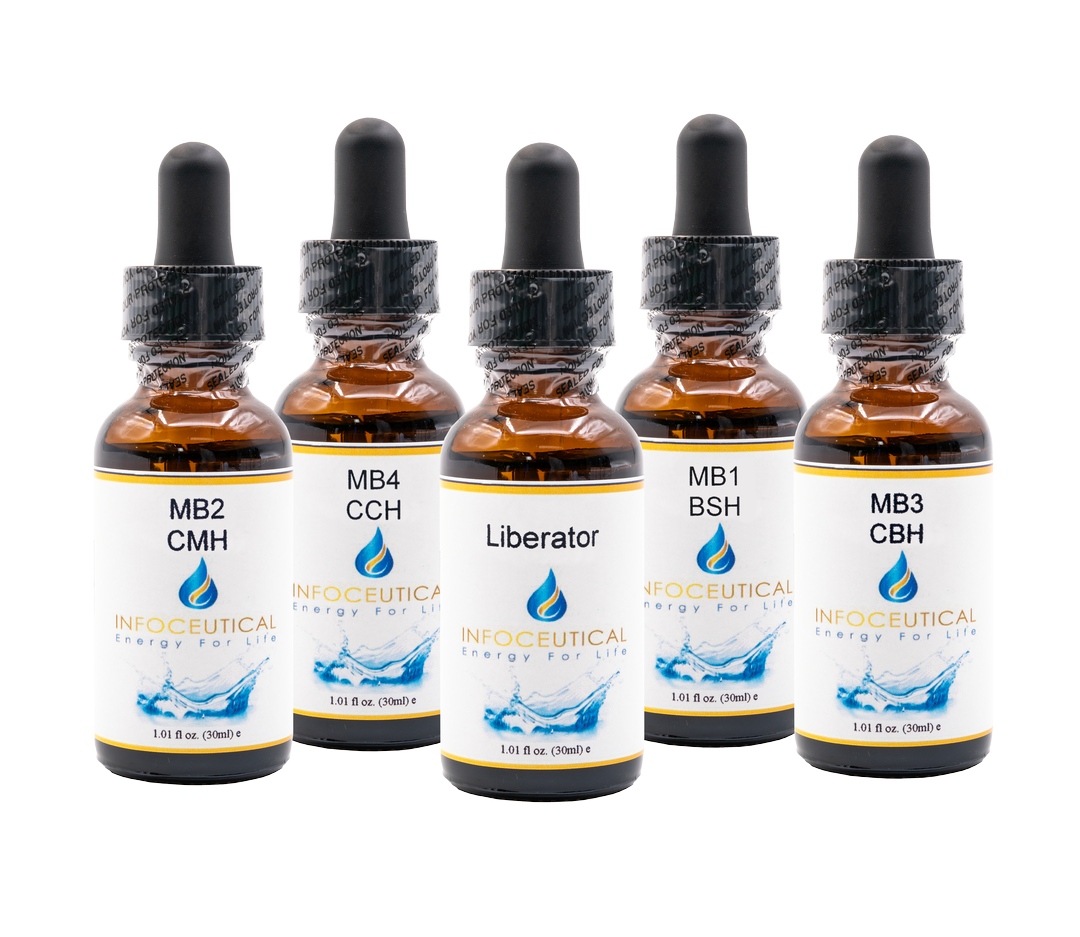
Infoceuticals — structured water imprinted with corrective bio-information — help restore the body’s communication pathways (‘fields’) so it can do what it’s designed to do:
Heal. Regulate. Adapt. Thrive.
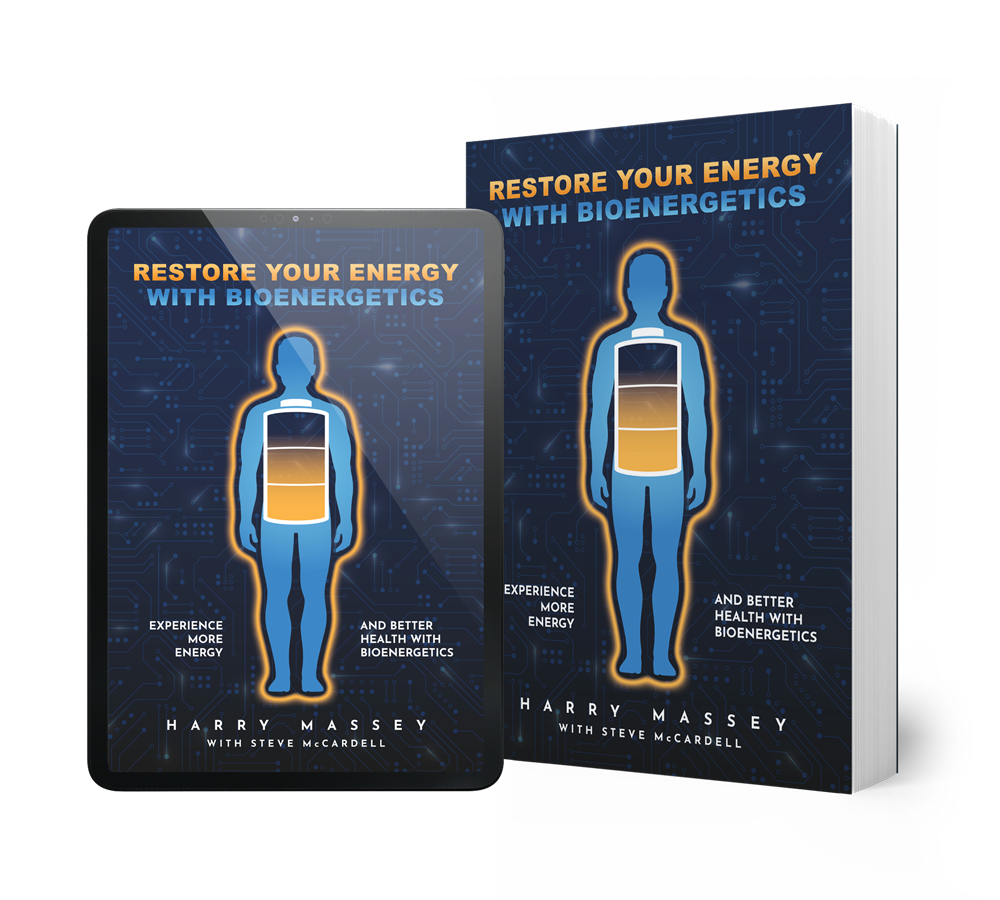
We go into much more detail about energy for life in the free e-book ‘Restore Your Energy With Bioenergetics‘.
⭐ Final Thought
Antioxidants aren’t villains — but they’re not miracle workers either. The real key to health isn’t drowning your system in external compounds. It’s restoring the body’s internal communication, so it can regulate free radicals, immune responses, and cellular repair the way it was designed to.
If you’re ready to understand what your body is actually asking for — not through guesswork, but through measurable bioenergetic data — then it may be time for your next step.
➡️ Your Next Step
A Total Wellness Session (Remote or In-Clinic) with a full Body‑Field scan can help discover where your energy and information pathways are distorted, how stress is impacting your system, and which Infoceuticals can help restore balance and vitality — naturally, gently, and holistically.
It’s one of the most effective ways to understand why your body behaves the way it does and how to support it from the inside out.
“Your body already knows what it needs.
We simply help you listen.”
[1] https://www.sciencedirect.com/topics/food-science/oxygen-radical-absorbance-capacity.
[2] https://www.ncbi.nlm.nih.gov/pmc/articles/PMC3249911/.
[3] https://www.ncbi.nlm.nih.gov/pmc/articles/PMC4495415/.
[4] https://www.sciencedirect.com/science/article/pii/S0531556510001282.
[5] https://www.ncbi.nlm.nih.gov/pmc/articles/PMC2952083/.
[6] https://www.ncbi.nlm.nih.gov/pmc/articles/PMC6413849/.
[7] https://www.health.harvard.edu/staying-healthy/understanding-antioxidants.
Body-Field Scan
Ready to find out what’s impacting your energy levels by using our bioenergetic scanning technology. Check out your body’s energy with a Body-Field scan and gain deeper insight into your holographic self with our certified Bioenergetic Practitioner. For an In-Clinic visit click here, or, for a Telehealth (remote) session click here.
We offer a completely new, alternative and bioenergetic healthcare approach based on 21st century science, technology and quantum physics with personalized, holistic therapy solutions such as, our unique BioScalar Infusion℠ therapy, Bioenergetic body-field scan technology, miHealth biofeedback, PEMF, Rife and Vibroacoustic (VAT) therapies that can restore optimal health and well-being throughout the body, mind and spirit in the most natural way. Let us help you restore your health and energy!