




Nov
Why visceral fat is more dangerous than you think — and how to fight it.
When most people think about belly fat, they picture the pinchable layer under the skin. But the real danger lies deeper. Visceral fat — the fat stored around your liver, pancreas, and intestines — is far more than a cosmetic issue. It’s metabolically active, releasing hormones and inflammatory chemicals that disrupt blood sugar, raise blood pressure, and silently increase your risk of chronic disease.
It’s not just about how you look in the mirror. Visceral fat is about what’s happening inside your body — and that’s where the real danger lies.
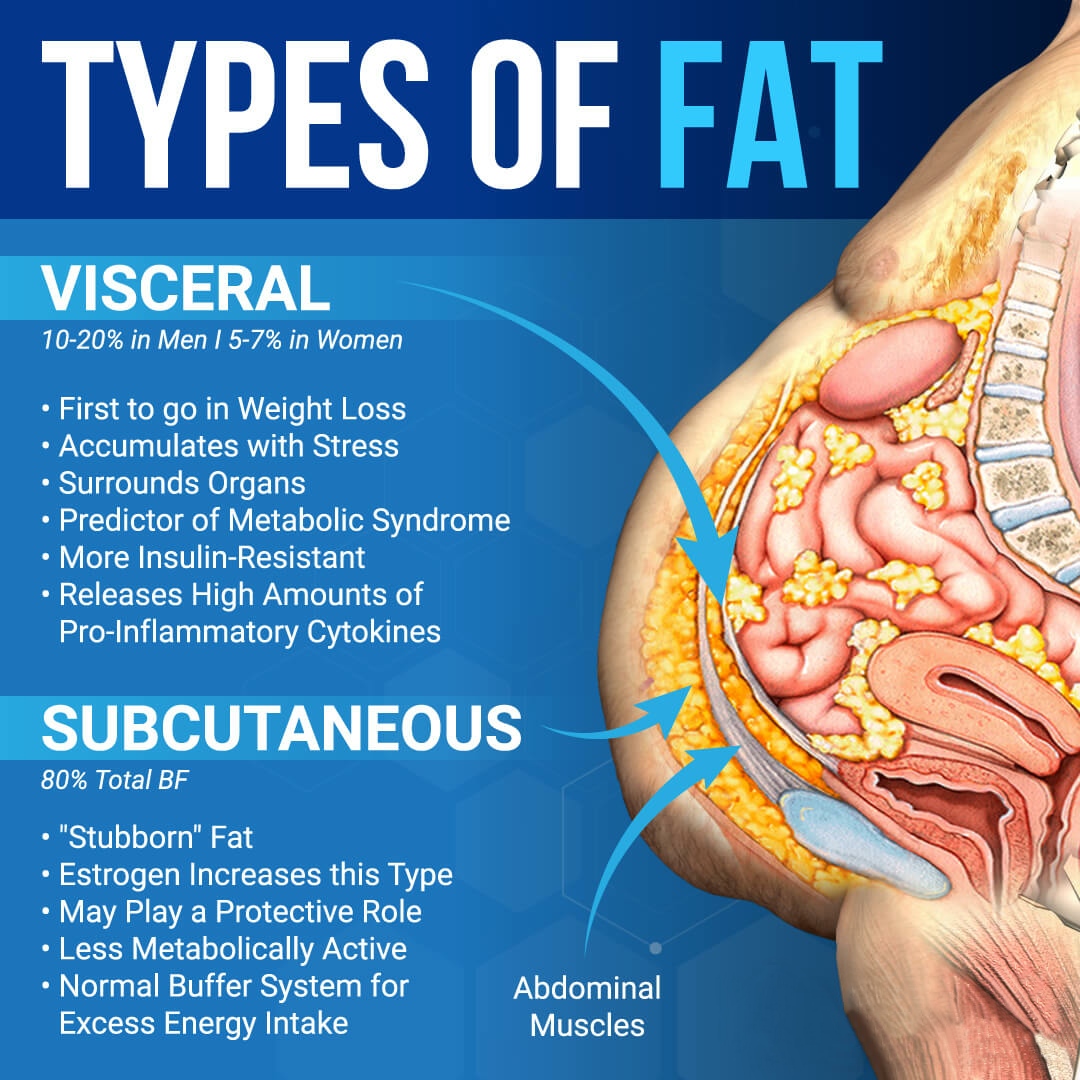
Unlike subcutaneous fat, visceral fat acts almost like an endocrine organ gone rogue. It fuels inflammation, drives insulin resistance, and sets the stage for conditions ranging from heart disease to dementia. The good news? Because it’s so metabolically active, visceral fat is also one of the easiest types of fat to lose once you know how to target it.

What Is Visceral Fat
Not all belly fat is created equal. The kind you can pinch — known as subcutaneous fat — sits just beneath the skin and, while not ideal in excess, is relatively harmless. The real concern is visceral fat, which lies deeper inside the abdomen, wrapped around vital organs like the liver, pancreas, and intestines.
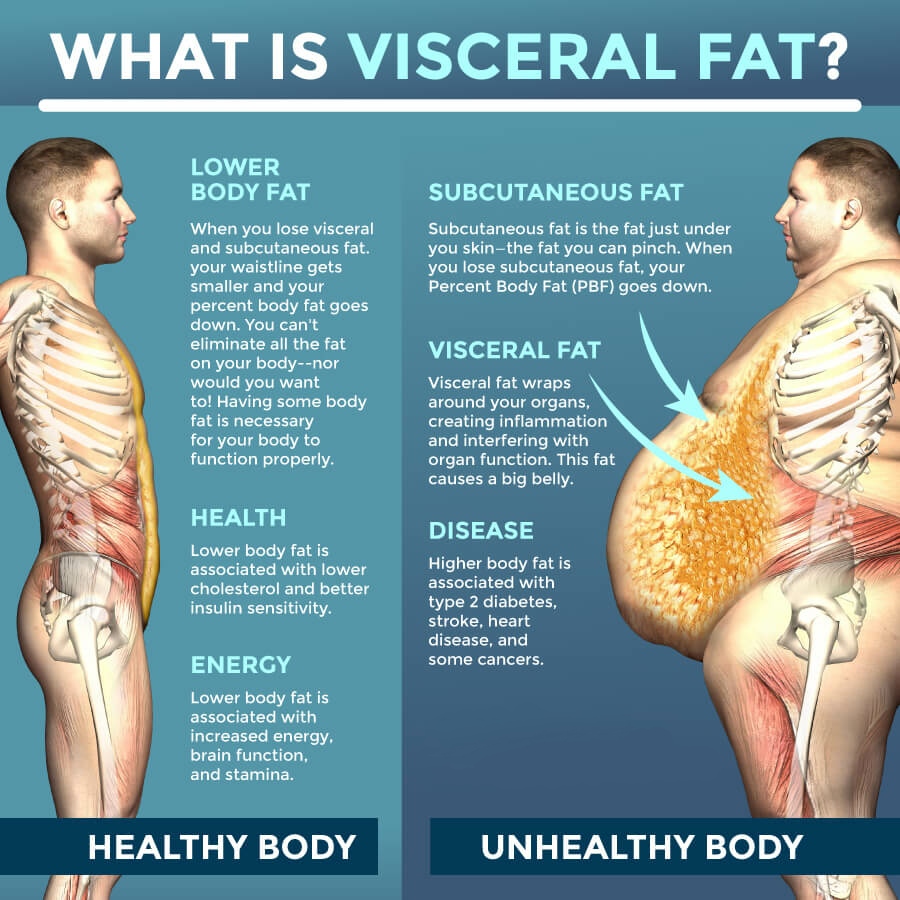
Unlike subcutaneous fat, visceral fat is metabolically active. It doesn’t just sit there — it releases inflammatory chemicals, disrupts hormonal signaling, and interferes with how your body regulates hunger, blood sugar, and energy. In fact, visceral fat behaves more like a rogue endocrine organ than a passive energy reserve.
Visceral fat is a gel-like substance that infiltrates your core systems — it’s not just stored energy, it’s stored dysfunction.
A large waistline or protruding belly is often a visible clue, but even people with a normal weight or BMI can carry dangerous levels of visceral fat. This is why it’s sometimes called “TOFI” — Thin Outside, Fat Inside.
Visceral fat can increase the risk of an array of serious health issues, including:
- Obesity
- Coronary heart disease
- Stroke
- Type 2 diabetes
- Cancer
- Dementia
- Arthritis
- Sleep disorders
- Sexual dysfunction
- Depression
- Hormonal health issues
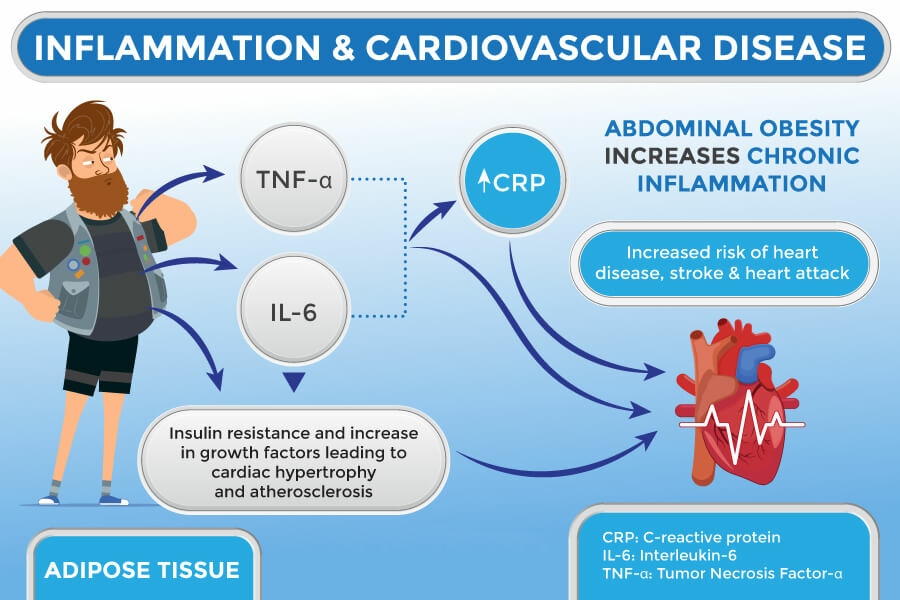
One of the most dangerous effects of visceral fat is its role in chronic inflammation, which can silently damage blood vessels over time. This inflammation may cause plaque to form inside the arteries, a key driver of heart disease.
Plaque is a sticky combination of cholesterol, fat, and cellular debris. As it builds up, it narrows the arteries and restricts blood flow. The real danger comes when plaque ruptures — triggering the body to form a clot. That clot can partially or completely block blood flow, and if it occurs in the coronary arteries, it can deprive the heart of oxygen, leading to a heart attack.
Visceral fat doesn’t just sit around — it stirs up inflammation, clogs your arteries, and quietly raises your risk of a cardiac event.
Symptoms of Visceral Fat
Visceral fat is often called “hidden fat” for a reason — it doesn’t always show up as obvious weight gain. Many people with normal BMI or body weight still carry dangerous levels of it. The most visible clue is a protruding belly or apple-shaped body, where fat accumulates around the waist rather than the hips or thighs. But the symptoms go deeper than appearance.
People with excess visceral fat may experience:
- Energy crashes and sugar cravings, especially in the afternoon
- Mood swings, irritability, or brain fog
- Elevated blood pressure or cholesterol without clear dietary cause
- Digestive discomfort, such as bloating or heaviness after meals
- Hormonal shifts, including irregular cycles in women or reduced testosterone in men
- Sleep disturbances, often tied to inflammation and metabolic stress
Visceral fat doesn’t just change how you look — it changes how you feel, think, and function.
One of the most telling signs is a belly that feels firm and distended, rather than soft and pinchable. This is because visceral fat is packed tightly around internal organs, not layered under the skin. If your belt size has increased despite stable weight, or if you feel sluggish and crave carbs more than usual, visceral fat may be quietly at work.
Causes of Visceral Fat
Visceral fat doesn’t accumulate overnight — it builds up through a complex interplay of diet, hormones, stress, sleep, and genetics. While some people are genetically predisposed to store fat centrally, lifestyle factors are the primary drivers.
Environmental factors such as diet and exercise play a key role. A poor diet with a high intake of fatty foods and carbohydrates (sugars) and an inactive lifestyle provides the building blocks for an increase in visceral fat.
One of the most critical mechanisms behind visceral fat accumulation is insulin resistance. After you eat, your body breaks down carbohydrates into glucose, which enters the bloodstream. In response, the pancreas releases insulin, a hormone that helps shuttle glucose into your cells for energy. But when you consume too many refined carbs and sugary foods — like white bread, pasta, soda, or candy — your blood sugar spikes repeatedly. Over time, your cells stop responding to insulin’s signal. This is called insulin resistance.
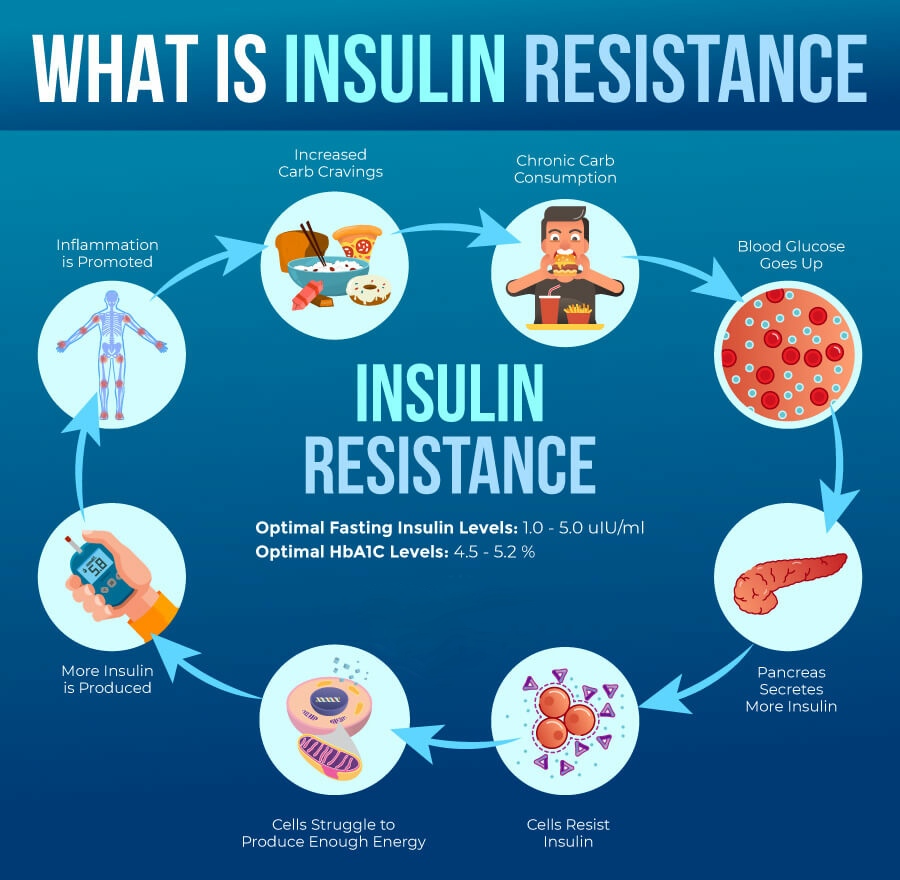
Insulin doesn’t just regulate blood sugar — it’s also in constant communication with your fat stores. When resistance sets in, the message is clear: store more fat.
When insulin resistance develops, your body compensates by producing even more insulin. This excess insulin promotes fat storage, especially in the abdomen. It also disrupts hunger signals, leading to cravings, overeating, and a cycle of weight gain that’s hard to break.
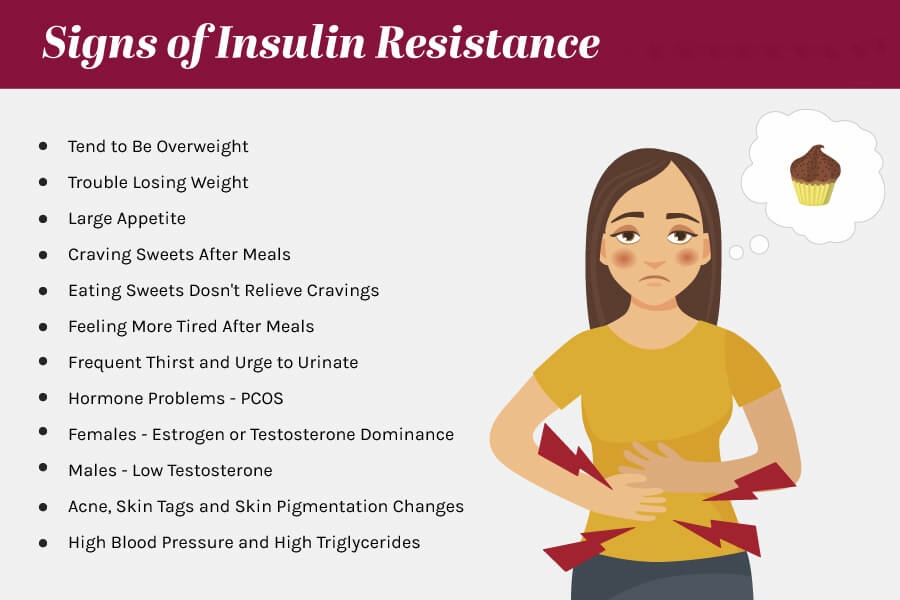
But insulin isn’t acting alone. Cortisol, the body’s primary stress hormone, also plays a major role. Chronic stress — whether from work, relationships, or poor sleep — keeps cortisol elevated. This signals the body to store fat around the organs, preparing for a “fight-or-flight” response that never comes. The result? A belly that grows even if your calorie intake stays the same.
Other contributing factors include:
- Poor sleep hygiene, which disrupts leptin and ghrelin — hormones that regulate hunger and satiety
- Sedentary lifestyle, which reduces glucose uptake by muscles, leaving more sugar to be stored as fat
- Alcohol consumption, which burdens the liver and promotes central fat storage
- Age-related hormonal shifts, which slow metabolism and favor visceral fat accumulation
Measuring Visceral Fat Levels
Because visceral fat hides deep within the abdominal cavity, it’s not always easy to detect — especially in people who appear slim or carry weight evenly. Fortunately, there are several practical ways to assess your risk without expensive imaging scans.
Physical Measurements
Two simple ratios can give you a surprisingly accurate picture of your visceral fat risk:
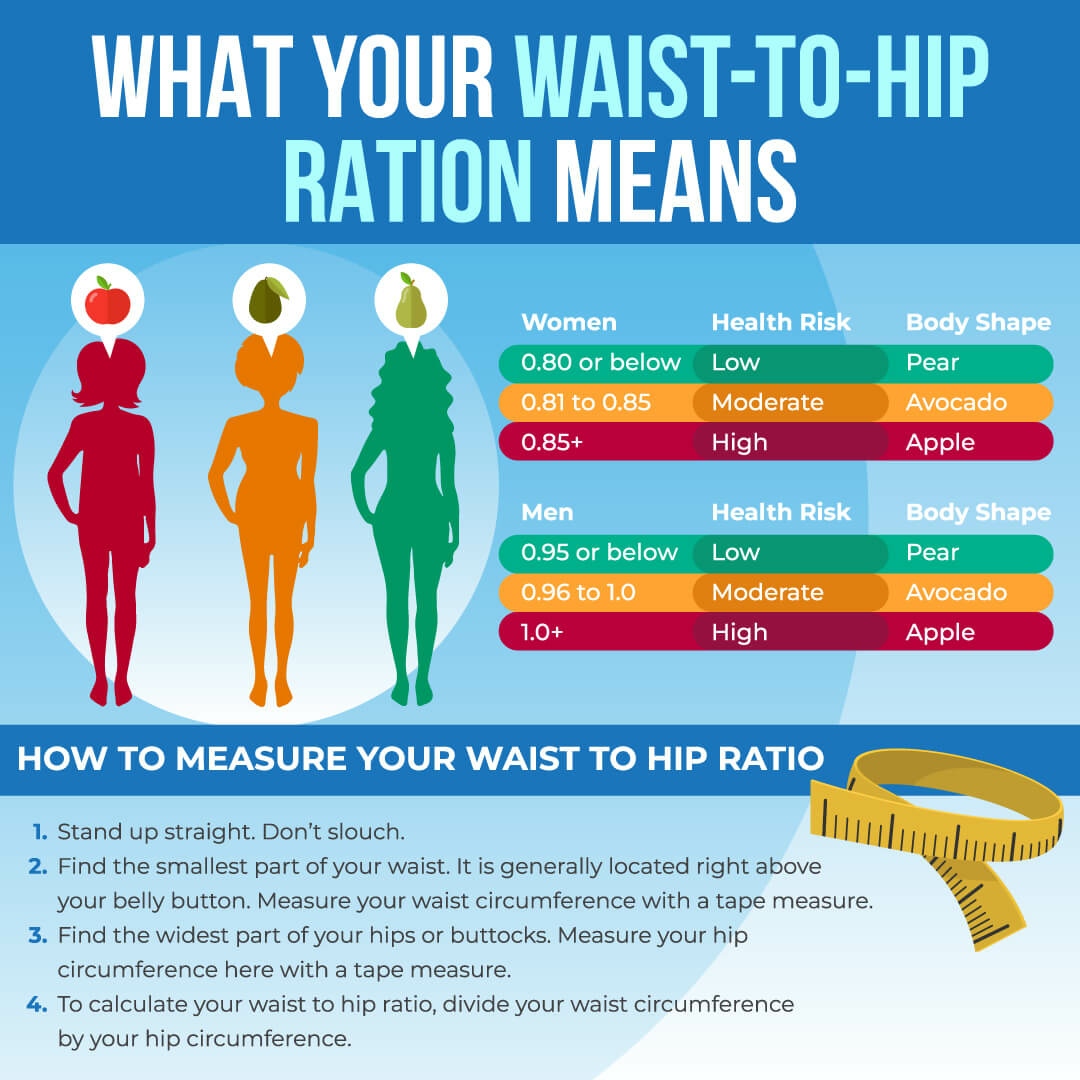
- Waist-to-Hip Ratio (WHR): Measure the smallest part of your waist (usually just above the belly button) and the widest part of your hips. Divide waist by hip.
- A ratio above 0.90 for men or 0.85 for women suggests abdominal obesity and increased metabolic risk.
- Waist-to-Height Ratio (WHtR): Divide your waist circumference by your height (use the same units for both).
- A ratio above 0.50 is a strong indicator of visceral fat accumulation — even more predictive than BMI.
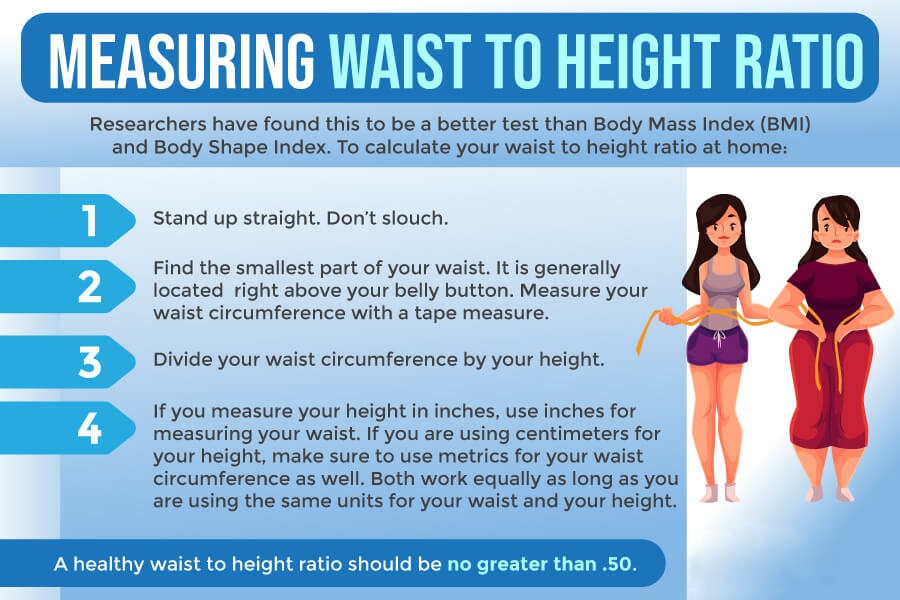
BMI can miss the mark. Waist ratios tell the real story when it comes to hidden fat.
Lab-Based Indicators
Visceral fat is metabolically active, so it leaves a fingerprint in your bloodwork. These markers can help confirm what your waistline suggests. I recommend getting a Comprehensive Blood Analysis and a Complete Urine Analysis test done, which are great comprehensive lab tests that allows us to look at all these factors of your health. These are some of the specific tests included:
Blood Sugar & Insulin
- HbA1C: Ideal range is 4–5.6%. Between 5.7 and 6.4 means that you have a high risk of developing diabetes, and over 6.4 means that you have diabetes.
- Fasting Glucose: Normal is <100 mg/dL. 100 to 125 mg/dL (5.6 to 6.9 mmol/L) is considered prediabetes. 126 mg/dL (7 mmol/L) or higher on two separate tests means you have diabetes.
- Fasting Insulin:
- 75–95 mg/dL is normal
- >95 mg/dL suggests insulin resistance
- >110 mg/dL indicates severe resistance
Inflammatory Markers
- hsCRP: Ideal is <1
- LDH (Lactate Dehydrogenase): Optimal range is 140–180. High levels indicate chronic inflammation.
- Serum Ferritin: Should be <150. High levels indicate inflammation.
- Homocysteine: Optimal range is 6–9
Lipid Panel
- LDL (Low-Density Lipoprotein): Often called “bad cholesterol.” Elevated levels contribute to plaque buildup in arteries.
- Ideal range: <100 mg/dL
- HDL (High-Density Lipoprotein): Known as “good cholesterol.” Helps remove excess cholesterol from the bloodstream.
- Ideal range: 55–80 mg/dL. Levels above 100 can indicate chronic inflammation or active infection in the body.
- Triglycerides: A type of fat found in the blood. High levels are linked to insulin resistance and heart disease.
- Ideal is 40–80 mg/dL
- Key Ratios:
- LDL:HDL ≤ 3:1 (2:1 is optimal)
- Triglycerides:HDL ≤ 2:1 (1:1 is optimal)
When visceral fat disrupts your lipid balance, it lays the groundwork for inflammation, plaque formation, and cardiovascular disease.
Problems with Excess Visceral Fat
Visceral fat isn’t just a passive layer of stored energy — it’s a metabolically disruptive force that interferes with nearly every system in the body. Its effects are far-reaching, and often silent until they manifest as serious disease. Here are the seven most critical problems linked to excess visceral fat:
1. Increases Systemic Inflammation
Visceral fat secretes inflammatory molecules like interleukin‑6 and TNF-alpha, which keep the immune system in a state of chronic alert. This low-grade inflammation contributes to everything from joint pain to accelerated aging and can trigger autoimmune reactions.
Visceral fat doesn’t just create inflammation — it becomes inflamed itself.
2. Leads to Insulin Resistance, Diabetes, and Carb Cravings
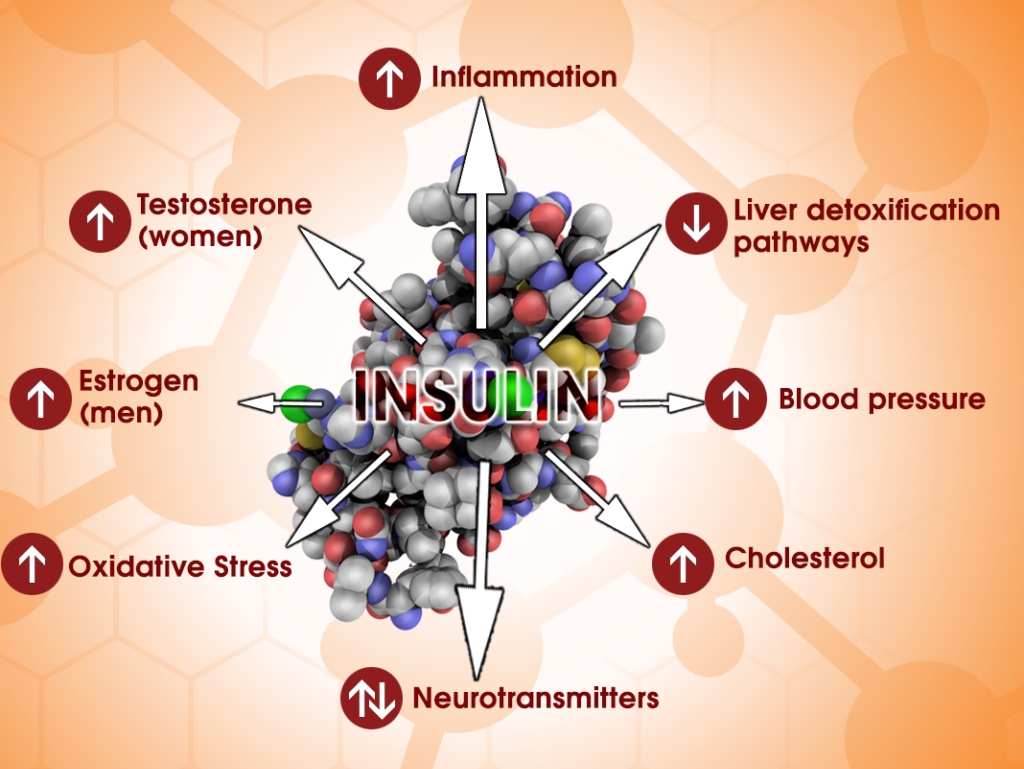
Visceral fat interferes with insulin signaling, making it harder for cells to absorb glucose. This leads to insulin resistance, which causes blood sugar to remain elevated and insulin levels to spike — a setup for type 2 diabetes. Remember, you can have insulin resistance without prediabetes or diabetes as well.
Even worse, insulin resistance feeds a vicious cycle:
- High insulin promotes fat storage
- Fat storage worsens insulin resistance
- Insulin resistance increases cravings for sugar and refined carbs
Insulin is often called the ‘fat-storage hormone’ — and visceral fat makes sure it stays active.
3. Raises Risk of Heart Disease
Visceral fat contributes to high triglycerides, low HDL, and arterial inflammation — all key drivers of cardiovascular disease, including high blood pressure. One of the most dangerous outcomes is plaque formation inside the arteries.
Plaque is a sticky mix of cholesterol, fat, and cellular debris. Over time, it grows and narrows the arteries. If it ruptures, the body forms a clot that can block blood flow. In the coronary arteries, this can deprive the heart of oxygen, triggering a heart attack.
Visceral fat lays the groundwork for a cardiac event — quietly, persistently, and often without warning.
4. Estrogen Dominance
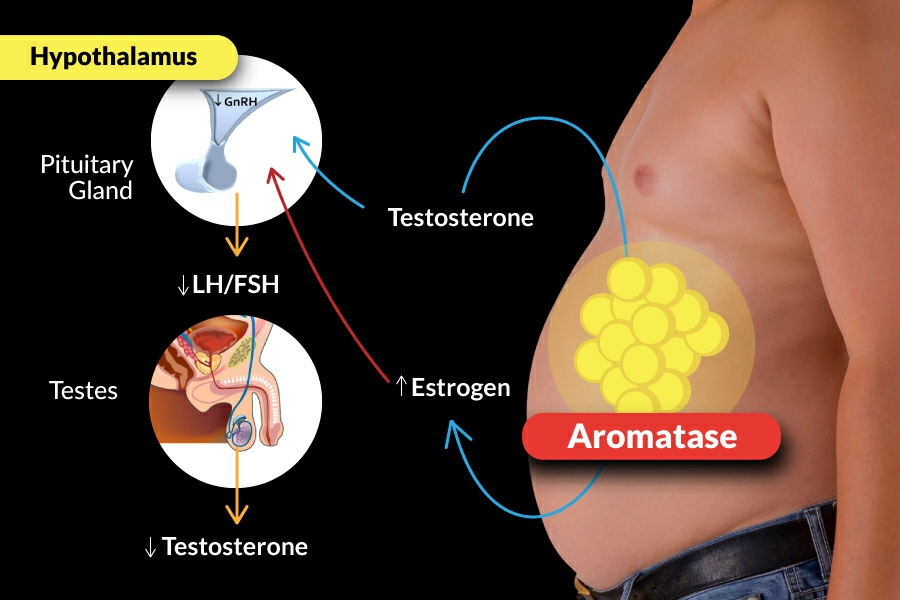
Visceral fat doesn’t just store hormones — it actively alters them. One of its most disruptive effects is increasing the enzyme aromatase, which converts androgens (male sex hormones) into estrogens. This leads to estrogen dominance, a hormonal imbalance that affects both women and men.
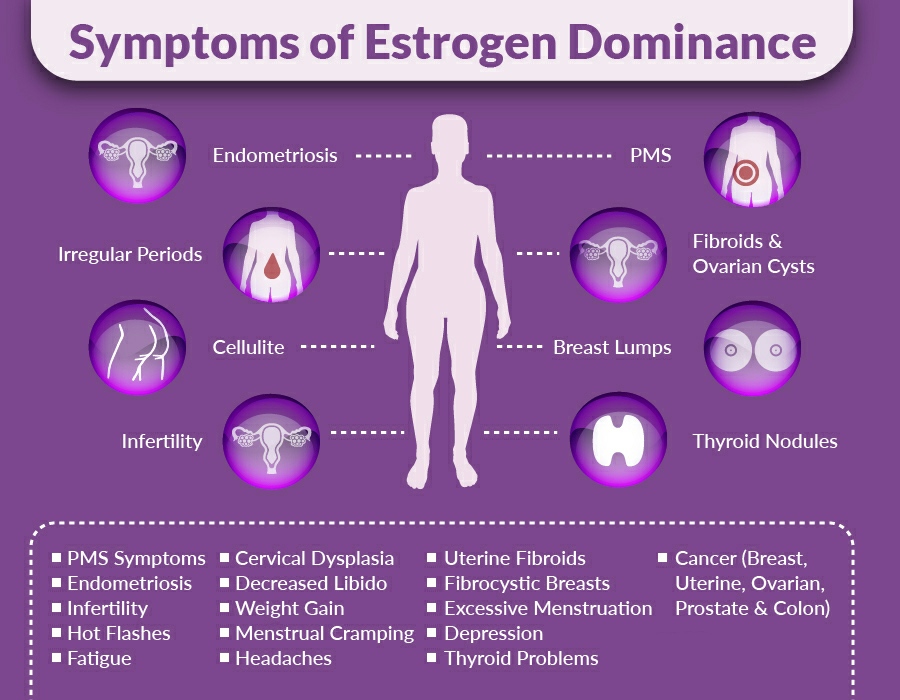
In women, estrogen dominance can cause:
- Premenstrual symptoms (PMS)
- Menstrual cramps and irregular cycles
- Fibroids, ovarian cysts, and decreased libido
- Mood swings, fatigue, and weight gain
- Increased risk of breast and ovarian cancer
In men, it can result in:
- Lower testosterone levels
- Fatigue, irritability, and mood instability
- Weight gain, especially around the belly
- Reduced libido and muscle mass
This hormonal imbalance also disrupts leptin and insulin, making it harder to regulate appetite and blood sugar. The result is a cascade of metabolic dysfunction that feeds further fat accumulation.
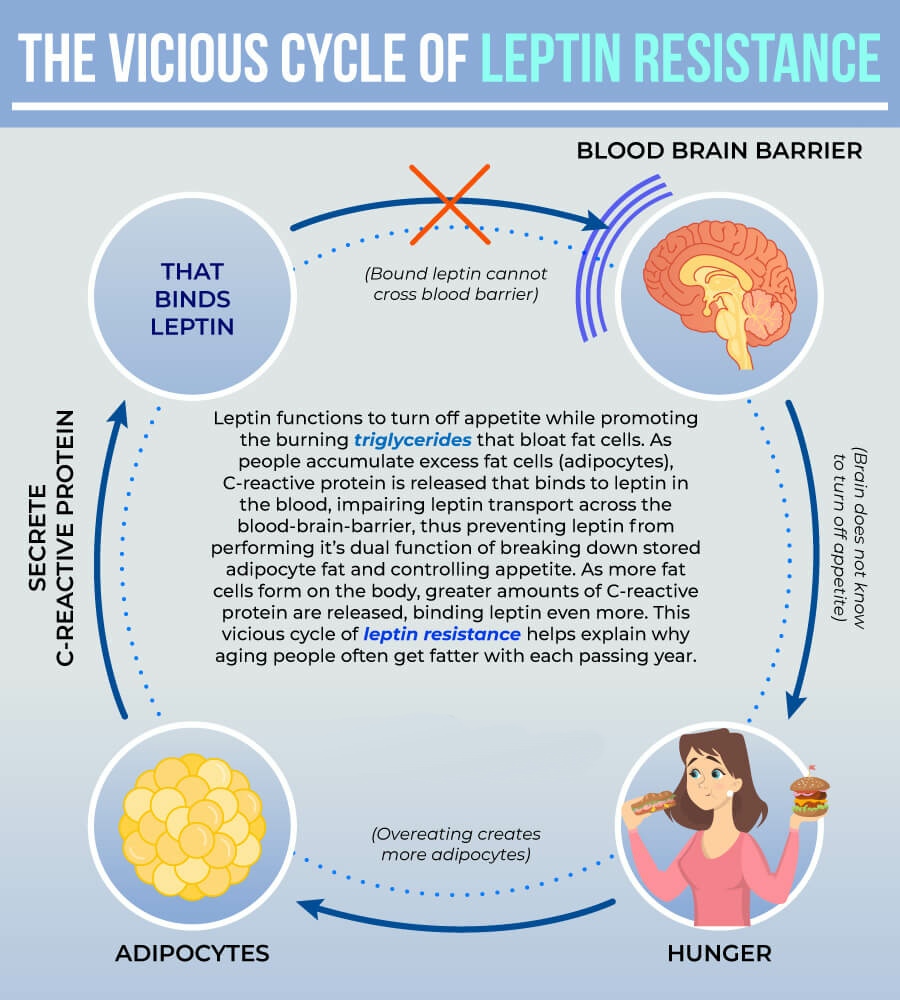
Too much leptin prevents your body from fighting weight gain but feeds the problem of visceral obesity and insulin resistance instead.
The combination of these issues can increase your risk of hormonal imbalance, obesity, hypertension, heart disease, type 2 diabetes, extreme fatigue, sleep problems, and depression.
5. Cancer Risk
Visceral fat creates a biological environment that favors cancer development. There are three main mechanisms at play:
- Excess estrogen, which fuels hormone-sensitive cancers like breast, ovarian, and prostate
- Elevated insulin and growth factors, which accelerate cell division and tumor growth
- Chronic inflammation, which damages DNA and promotes mutation
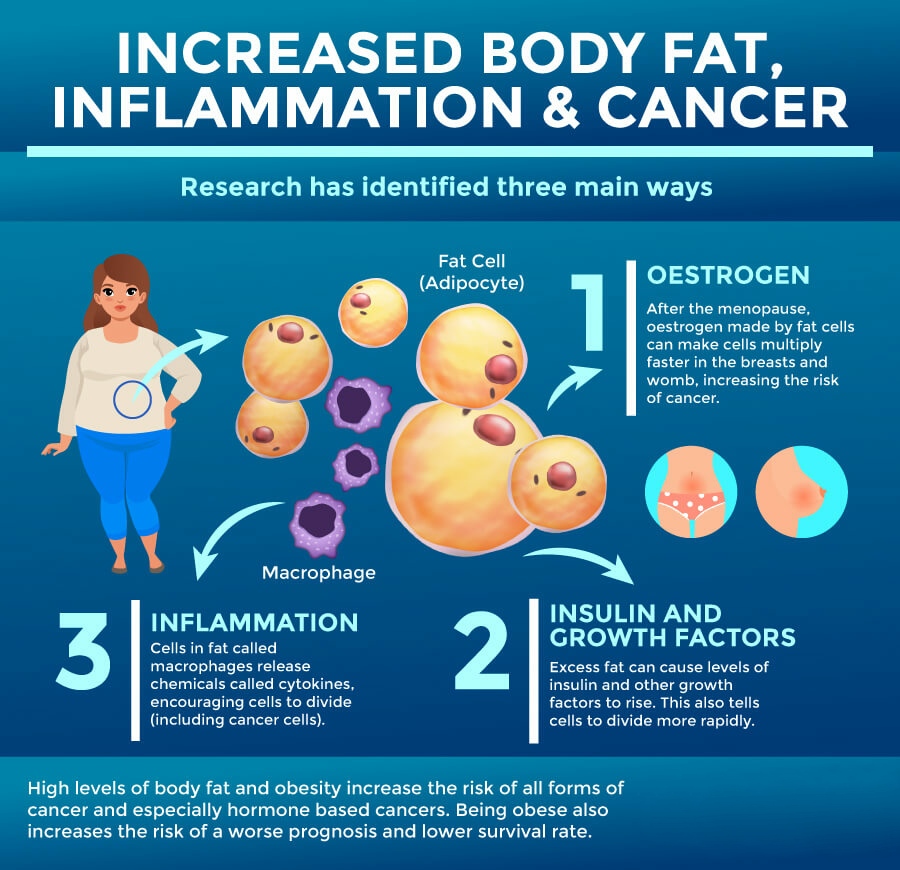
Fat cells — especially those in visceral tissue — release macrophages and cytokines that encourage abnormal cell proliferation. This increases the risk of:
- Breast and ovarian cancer in women
- Prostate cancer in men
- Colon and pancreatic cancer in both sexes
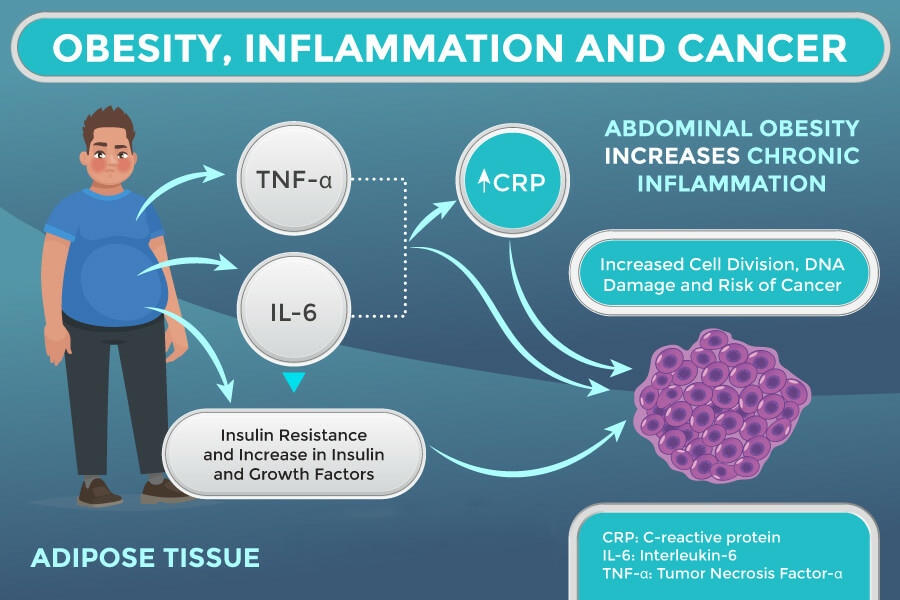
Obesity and visceral fat also worsen cancer prognosis by impairing immune function and increasing resistance to treatment.
Visceral fat doesn’t just raise cancer risk — it creates the conditions for cancer to thrive.
6. Mood Disorders
Visceral fat affects more than your metabolism — it impacts your mental health. The connection between belly fat and mood disorders is rooted in neurochemical disruption and inflammatory signaling.
A low mood and stress can increase overeating and cravings for carbs, sugary and unhealthy foods that may feed this cycle.
Here’s how it works:
- Visceral fat interferes with insulin and leptin, which play key roles in regulating mood and appetite
- It promotes neuroinflammation, which impairs neurotransmitters like serotonin and dopamine
- It contributes to blood sugar instability, which causes emotional swings and fatigue
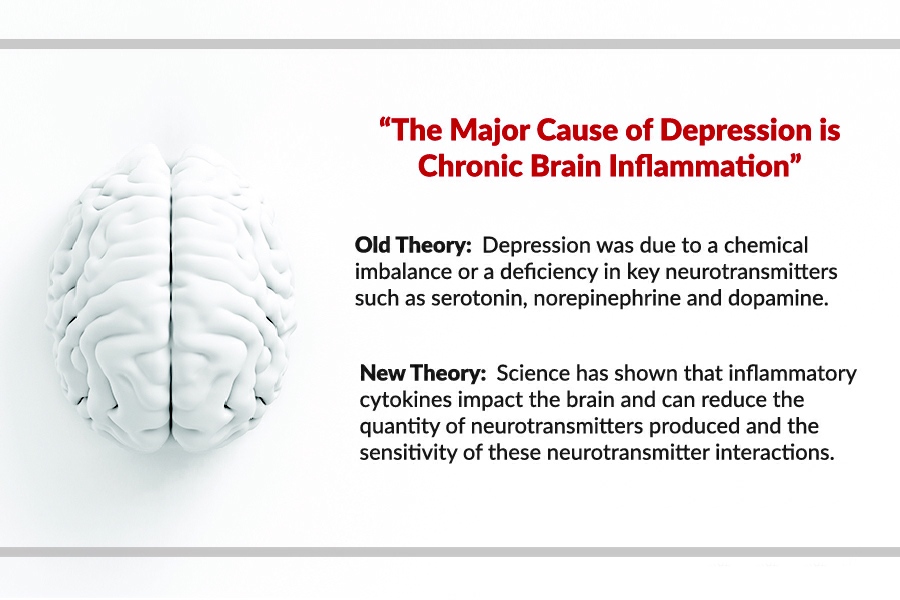
Studies show that people with higher visceral fat levels are more likely to experience depression, anxiety, and brain fog. Women are particularly vulnerable due to hormonal fluctuations and the emotional impact of estrogen dominance.
When your metabolism is inflamed, your mind often follows.
7. Increased Risk of Dementia
Visceral fat doesn’t just affect your body — it affects your brain. Research shows that people with high levels of abdominal fat, especially those with an apple-shaped body, have a significantly higher risk of developing Alzheimer’s disease and vascular dementia.
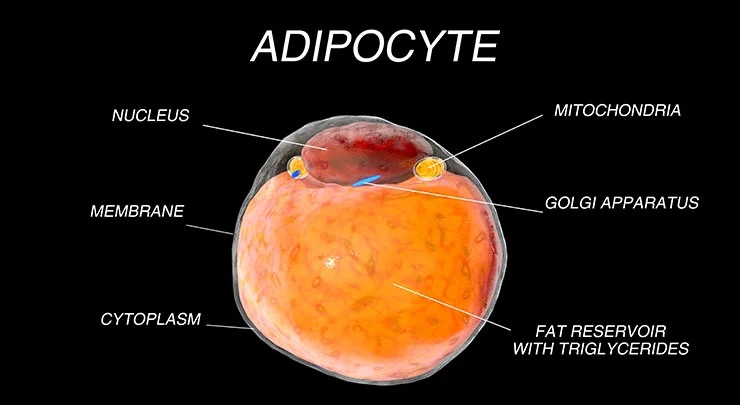
The connection lies in the behavior of adipocyte cells — the fat cells that make up visceral adipose tissue. These cells are metabolically active, meaning they don’t just store fat; they release inflammatory cytokines, hormones, and free fatty acids that disrupt normal brain function.
Here’s how visceral adipocytes contribute to cognitive decline:
- They trigger neuroinflammation, which damages neurons and impairs memory.
- They interfere with insulin signaling in the brain, which is critical for learning and cognition.
- They promote oxidative stress, which accelerates aging and cellular damage.
- They reduce cerebral blood flow, increasing the risk of vascular dementia.
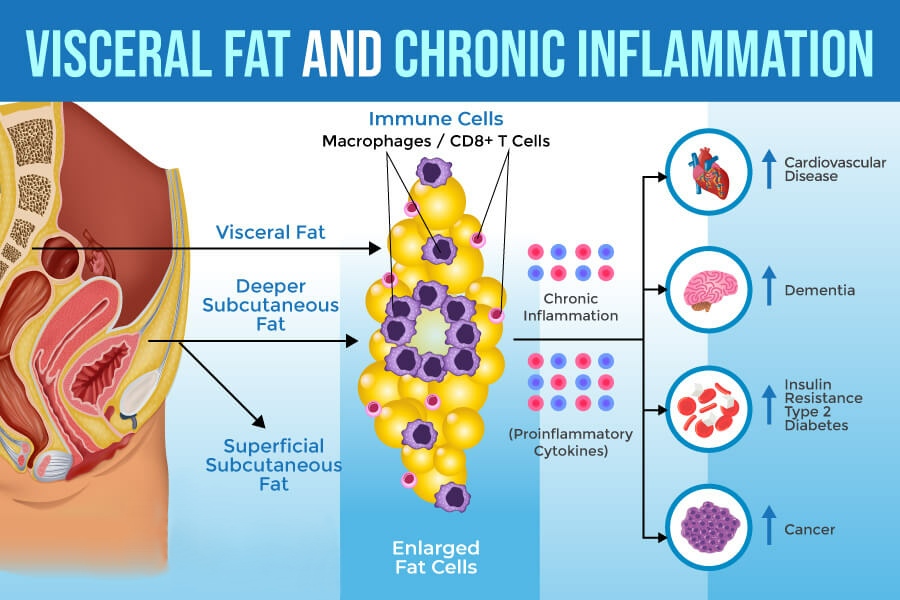
Even individuals with a normal BMI may carry hidden visceral fat that increases dementia risk. This is why waist-to-height ratio is often a better predictor than BMI alone.
Visceral adipocytes don’t just store fat — they act like inflammatory messengers that cloud your mind.
Management and Treatment
New Image goes here
The good news? Visceral fat responds quickly to lifestyle changes. Because it’s metabolically active, it’s often the first fat to shrink when you make the right adjustments. The key is to focus on sustainable habits, not quick fixes. Here’s a structured approach to reducing visceral fat and restoring metabolic balance:
1. Exercise Strategically
Regular movement is essential — but not all exercise is equal when it comes to visceral fat.
- High-Intensity Interval Training (HIIT): Alternates short bursts of effort with recovery. Proven to improve insulin sensitivity and burn visceral fat.
- Strength training: Builds muscle, which increases resting metabolism and improves glucose uptake.
- Post-meal walks: Even 10 minutes after eating can blunt blood sugar spikes and reduce fat storage.
Visceral fat thrives on inactivity — even small bursts of movement can disrupt its grip.
2. Eat to Regulate Hormones and Blood Sugar
Nutrition is the most powerful lever for reducing visceral fat — especially when it targets insulin regulation and inflammation.
- Short-term reset: A low-carb or ketogenic diet can jumpstart fat loss and improve insulin sensitivity.
- Long-term sustainability: Transition to a Mediterranean diet or blood-type-based eating for balance and variety.
- Soluble fiber: Found in flaxseeds, legumes, oats, and sweet potatoes. Helps regulate appetite and supports gut health.
- Probiotics: Improve digestion, reduce inflammation, and support metabolic signaling. I recommend checking out the Enviromedica® Terraflora Deep Immune, or, your blood-type specific Polyflora – Pre/Probiotic.
- Avoid refined carbs and sugars: These spike insulin and feed the cycle of fat storage and cravings.
Every bite you take either feeds inflammation or fights it.
3. Try Intermittent Fasting (Gently)
Time-restricted eating — such as a 16:8 schedule — can improve insulin sensitivity and reduce visceral fat. But extreme fasting isn’t necessary. Stay hydrated!
- Skip one meal occasionally or eat within an 8–10 hour window.
- Avoid long fasts that trigger stress responses or disrupt sleep.
4. Prioritize Sleep and Stress Management
Poor sleep and chronic stress elevate cortisol, which signals the body to store fat centrally.
- Aim for 6–8 hours of sleep per night with at least 90 minutes of total deep (REM) sleep.
- Practice mindfulness, yoga, or breathing exercises to lower cortisol. I recommend checking out the Healthy Minds Program App.
- Use digital detox strategies before bed to improve sleep quality.
Cortisol doesn’t just make you feel stressed — it tells your body to store belly fat.
5. Limit Alcohol Intake
Alcohol burdens the liver and promotes central fat storage — especially in men.
- Moderate consumption is key.
- Avoid sugary mixers and late-night drinking, which spike insulin and disrupt sleep.
6. Track Progress with Waist Ratios and Labs
Forget the scale — visceral fat responds better to waist measurements and blood markers.
- Track waist-to-height ratio monthly
- Monitor fasting insulin, triglycerides, and CRP
- Use body composition scans if available
Common Questions
Even with all the science and strategy, visceral fat still raises questions. Here are the most frequent ones — answered clearly and practically:
How much visceral fat is normal?
Visceral fat should make up no more than 10% of your total body fat. If your body fat percentage is high, your visceral fat likely is too.
Is visceral fat harder to lose than other fat?
No — it’s actually easier to lose than subcutaneous fat. Because it’s metabolically active, it responds quickly to changes in diet, exercise, and sleep, and your body can get rid of it as sweat or pee.
Visceral fat is stubborn in its effects — but surprisingly responsive to smart lifestyle shifts.
Can thin people have visceral fat?
Yes. This is known as TOFI — “Thin Outside, Fat Inside.” People with normal BMI can still carry dangerous levels of visceral fat around their organs.
How long does it take to reduce visceral fat?
With consistent changes, you can see measurable improvements in 8–12 weeks. Blood markers and waist circumference often improve before the scale does.
What foods cause visceral fat?
Refined carbs and sugars are the biggest culprits — especially:
- White bread, pasta, and rice
- Soda, candy, and baked goods
- Trans fats (=artificial fats) and processed foods
- Hydrogenated oils or high-fructose corn syrup
These spike insulin and feed the cycle of fat storage and cravings.
Can stress alone cause belly fat?
Yes. Chronic stress elevates cortisol, which signals the body to store fat centrally — even without excess calories.
Final Thoughts
Visceral fat is more than a cosmetic concern — it’s a silent disruptor of your body’s most vital systems. From inflammation and insulin resistance to hormonal imbalance and cognitive decline, its impact is deep, wide, and often invisible until it’s too late.
But here’s the empowering truth: you can reverse it. With the right tools, habits, and support, visceral fat becomes one of the most responsive types of fat to lose. Every step you take — every walk, every meal choice, every night of good sleep — chips away at the root cause and builds a healthier, more resilient you.
Your belly may be the symptom — but your biology is the story. And you have the power to rewrite it.
🌐 Ready to Take the Next Step?
At Juneva Health, we offer personalized, bioenergetic care that goes beyond surface symptoms. Uncover what’s really driving your energy, cravings, and metabolic stress with a Body-Field Scan. Whether in-clinic or through a remote telehealth session, you’ll gain deep insight into your body’s energetic blueprint and receive a personalized plan for restoring balance from the inside out.
👉 Book your Total Wellness Session today and begin unlocking your body’s innate capacity for healing and vitality — and help you reclaim your health, naturally.
Body-Field Scan
Ready to find out what’s impacting your energy levels by using our bioenergetic scanning technology. Check out your body’s energy with a Body-Field scan and gain deeper insight into your holographic self with our certified Bioenergetic Practitioner. For an In-Clinic visit click here, or, for a Telehealth (remote) session click here.
We offer a completely new, alternative and bioenergetic healthcare approach based on 21st century science, technology and quantum physics with personalized, holistic therapy solutions such as, our unique BioScalar Infusion℠ therapy, Bioenergetic body-field scan technology, miHealth biofeedback, PEMF, Rife and Vibroacoustic (VAT) therapies that can restore optimal health and well-being throughout the body, mind and spirit in the most natural way. Let us help you restore your health and energy!