


Apr
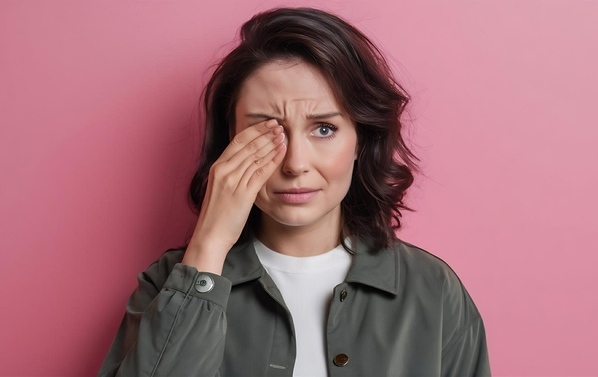
Eyelid twitching is something most people shrug off — a tiny flicker that comes and goes. But for a growing number of people, these twitches progress into something more disruptive: eyelids that clamp shut, eyes that won’t stay open while driving, and a nervous system that feels like it’s firing on its own.
This pattern is often referred to as blepharospasm, and while conventional medicine classifies it as a neurological movement disorder, the full picture is far more interconnected. Modern research points to a blend of neuromuscular misfiring, sensory overload, autonomic imbalance, emotional imprinting, and even trauma‑linked pathways.
And from a bioenergetic perspective, these symptoms often reflect deeper stress patterns and distortions in the body‑field.
Let’s explore what’s really going on, why more people are experiencing it, and how you can support your eyes, your nervous system, and your energetic health.

What Is Blepharospasm? A Closer Look at the Science
Blepharospasm is a focal dystonia, meaning the muscles around the eyes contract involuntarily. It often begins subtly — a little twitch here, a bit of increased blinking there, maybe some light sensitivity or a sense of “eye tension.” Over time, these small signals can progress into forceful eyelid closure lasting seconds or longer.
The Neurology Behind It
Scientists now understand that several neurological systems are involved:
The basal ganglia, the brain’s movement‑control center, helps regulate and filter motor signals. When this system becomes dysregulated, normal blinking can become exaggerated and the threshold for muscle activation drops. This is why stress, fatigue, or sensory overload can trigger spasms.
Another key player is the trigeminal reflex pathway. The trigeminal nerve controls the blink reflex, and when the eyes are dry, irritated, or exposed to allergens, this pathway becomes hyperexcitable — making the eyelids clamp shut more easily.
There’s also growing evidence of cortical hyperexcitability, especially in the visual cortex. Blue‑spectrum light from LEDs, screens, and fluorescent bulbs overstimulates this region, which explains why many people with blepharospasm experience significant light sensitivity.
Finally, the autonomic nervous system (ANS) often shows signs of imbalance. Many individuals with eyelid spasms exhibit elevated sympathetic tone, reduced parasympathetic recovery, and a heightened startle response — patterns that align closely with what we see in body‑field scans.


Why More People Are Experiencing This Now
Across age groups — from people in their 20s to older adults — eyelid spasms are becoming more common. Several modern lifestyle factors contribute to this rise.
Screen Time & Digital Eye Strain
Screens reduce blink rate by up to 60%, which dries the eyes and overstimulates the visual cortex. Hours of digital focus also fatigue the trigeminal reflex pathway, making spasms more likely.
Chronic Stress & Sympathetic Overdrive
When the nervous system stays in “fight or flight,” muscle tension increases and nerve thresholds drop. The eyelids, being highly sensitive muscles, often respond first.
Sensory Overload
Bright LEDs, constant notifications, multitasking, and environmental noise create a perfect storm for neurological irritability. The brain’s sensory‑gating systems become overwhelmed, and the eyelids react.
Post‑Viral or Immune‑Related Changes
Some clients report onset after viral illness. Post‑viral inflammation can temporarily alter nerve signaling and autonomic balance, making the eyelids more reactive.
Emotional History & Trauma Patterns
The eyelid muscles are influenced by the amygdala and limbic system, which store emotional memory. This is why symptoms often appear during periods of emotional overwhelm, resurfacing trauma, hypervigilance, or nervous system exhaustion.
This is not psychological — it’s physiological. The body remembers what the mind has moved past.

Common Triggers You Can Start Identifying Today
Clients often notice patterns once they begin tracking them. Here are the most common triggers:
Eye‑related
- Dryness or irritated eyes
- Long hours on screens
- Allergies
- Wind or AC
- Long periods without blinking
Lifestyle
- Fatigue or irregular sleep
- Caffeine
- Alcohol
- Dehydration
Environmental
- Bright or flickering lights
- Driving at night
- Stressful environments
Past trauma or emotional patterns
For some people, symptoms appear during periods of:
- Unresolved emotional stress
- Old trauma resurfacing
- Feeling overwhelmed or “on alert”
- Nervous system exhaustion
Medication‑related
Some medications may increase twitching or lower the threshold for spasms. If you suspect this, speak with your prescribing provider.

Conventional Medical Options (For Awareness Only)
It’s important to rule out underlying eye or neurological conditions.
Consider seeing:
- An eye doctor (ophthalmologist) if you have dryness, irritation, or light sensitivity
- A neurologist if your eyelids close involuntarily or symptoms interfere with daily life
We do not promote injections or provide these treatments, but clients may encounter them when consulting their physicians. These are standard procedures used in conventional medicine:
- Dry‑eye therapies
- FL‑41 tinted lenses for light sensitivity
- Botulinum toxin injections to reduce muscle spasms
These approaches may help manage symptoms, but they do not address the underlying stress, sensory, or energetic patterns contributing to the issue.

Lifestyle & Dietary Support That Helps Many Clients
Supporting the eyes and nervous system through daily habits can make a meaningful difference. Many people find relief by using:
Eye Support
- Use preservative‑free artificial tears
- Take screen breaks every 20 minutes
- Wear sunglasses or FL‑41 tinted lenses for light sensitivity
- Practice gentle warm compresses
Nervous System Support
- Consistent sleep
- Reduced caffeine
- Slow breathing
- Grounding practices
- Time in nature
- Reduce sensory overload (noise, bright lights, multitasking)
Nutritional Support – for muscle relaxation and nerve function
- Magnesium‑rich foods (leafy greens, nuts, seeds)
- Omega‑3s (salmon, flax)
- Anti‑inflammatory foods (berries, turmeric, greens)
- Hydration
- Reduced alcohol
These steps don’t “treat” blepharospasm — they simply support the systems that influence it.
The Bioenergetic Perspective: What the Body‑Field Reveals
In bioenergetic assessments, clients with eyelid spasms often show patterns related to
- Stress and emotional overload
- Autonomic nervous system imbalance
- Sensory processing strain
- Past trauma or unresolved emotional fields
- Energetic fatigue or blocked flow in the head/eye fields
These patterns don’t diagnose a condition — they reveal how the body is responding to life.
The eyes are one of the most sensitive energetic gateways in the body. They reflect stress, overwhelm, emotional suppression, hypervigilance, fatigue, and stagnation.
When the system is overloaded, the eyes often speak first.
How BioScalar Infusion℠ Therapy Supports This Pattern
BioScalar Infusion℠ Therapy helps reduce stress signatures, support autonomic balance, clear energetic blockages, improve coherence in the head/eye fields, and restore smoother energetic flow. Clients often report calmer eyes, less twitching, reduced sensory overload, and a more regulated nervous system.
It doesn’t diagnose or treat medical conditions — it supports the body’s natural ability to rebalance.

Final Thought: Your Eyes Are Speaking — It’s Time to Listen
Eyelid twitching and blepharospasm are not random. They’re signals — from your nervous system, your emotional history, and your body‑field — that something needs support.
What You Can Do Next
- Track your symptoms and possible triggers for 1–2 weeks
- Seek medical evaluation if symptoms are persistent or worsening
- Support your lifestyle, sleep, and stress levels
- Consider a bioenergetic body-field scan to identify underlying energetic patterns
- Explore therapies that help regulate the nervous system and restore coherence
A Body‑Field Scan can help identify the underlying stress patterns, energetic blocks, and informational distortions contributing to your symptoms. From there, we can create a personalized plan to support your nervous system, restore coherence, and help your body return to balance.
“If your eyes have been trying to get your attention… this is your moment to respond.”
Body-Field Scan
Ready to find out what’s impacting your energy levels by using our bioenergetic scanning technology. Check out your body’s energy with a Body-Field scan and gain deeper insight into your holographic self with our certified Bioenergetic Practitioner. For an In-Clinic visit click here, or, for a Telehealth (remote) session click here.
We offer a completely new, alternative and bioenergetic healthcare approach based on 21st century science, technology and quantum physics with personalized, holistic therapy solutions such as, our unique BioScalar Infusion℠ therapy, Bioenergetic body-field scan technology, miHealth biofeedback, PEMF, Rife and Vibroacoustic (VAT) therapies that can restore optimal health and well-being throughout the body, mind and spirit in the most natural way. Let us help you restore your health and energy!