


Apr
For decades, the public has been taught a simple story:
“High cholesterol causes heart disease.”
It’s a message repeated so often that most people accept it without question. Yet when you look deeper — into physiology, metabolism, inflammation, and the informational fields that regulate the body — a very different picture emerges.
Heart health is not determined by a single number on a lab report. It is shaped by a dynamic interplay of inflammation, oxidative stress, metabolic balance, arterial flexibility, liver function, nervous system regulation, and the quality of the signals flowing through the body’s energy and information systems.
This article takes you beyond cholesterol and into the deeper truth of what really shapes cardiovascular health — and what you can do, naturally and effectively, to support it.

🧩Why Heart Health Is Still Misunderstood
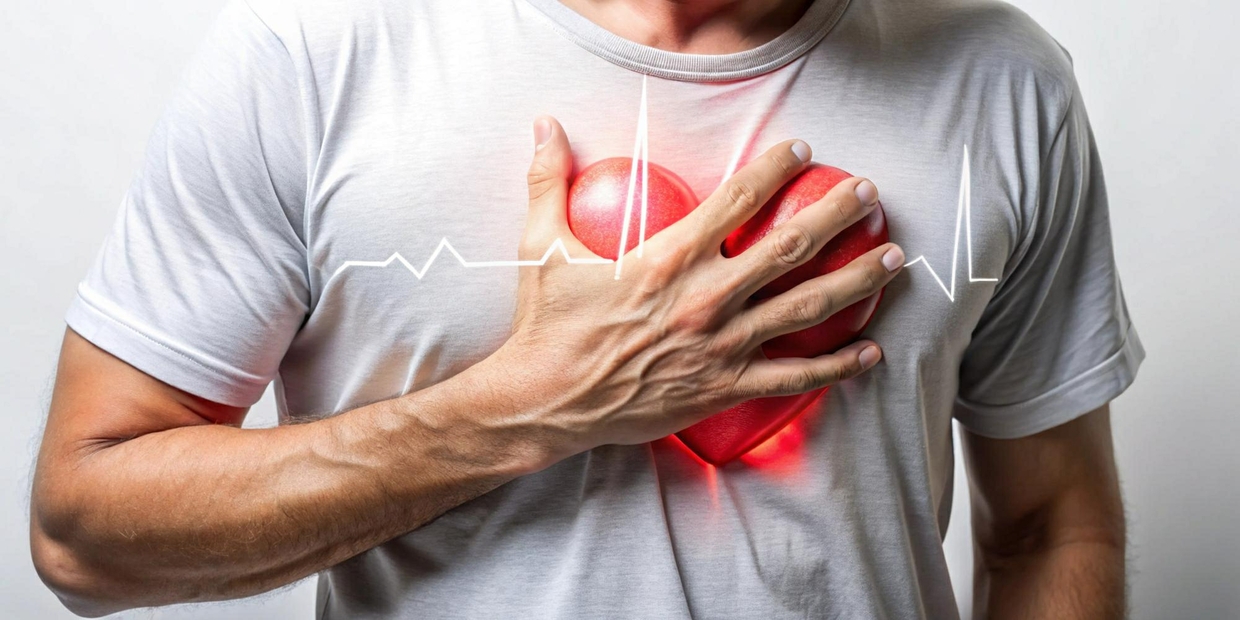
Most people are never told that cardiovascular disease is not simply a “plumbing problem.” It’s not about fat clogging pipes. It’s a complex biological process influenced by inflammation, stress, metabolic dysfunction, and the body’s ability to repair itself.
Most people are never told:
- You can have normal cholesterol and still be at high cardiovascular risk.
- You can have high cholesterol and be at low risk.
- Blood pressure is not just about “high numbers” — variability and arterial stiffness matter just as much.
- Inflammation, oxidative stress, and metabolic dysfunction drive plaque formation more than cholesterol itself.
- The standard lipid panel misses the most important markers of cardiovascular risk.
The standard medical model often overlooks these nuances. It focuses on lowering numbers rather than understanding what those numbers mean. And because of that, millions of people walk around with a false sense of security — or unnecessary fear.
Heart health is not a number. It’s a system.
And perhaps most importantly:
Your heart is not just a pump — it’s an electromagnetic, information‑driven organ.
It responds to stress, environment, sleep, nutrition, and the energetic patterns of your life.
⚠️The Real Drivers of Cardiovascular Risk
🔥 Chronic Inflammation
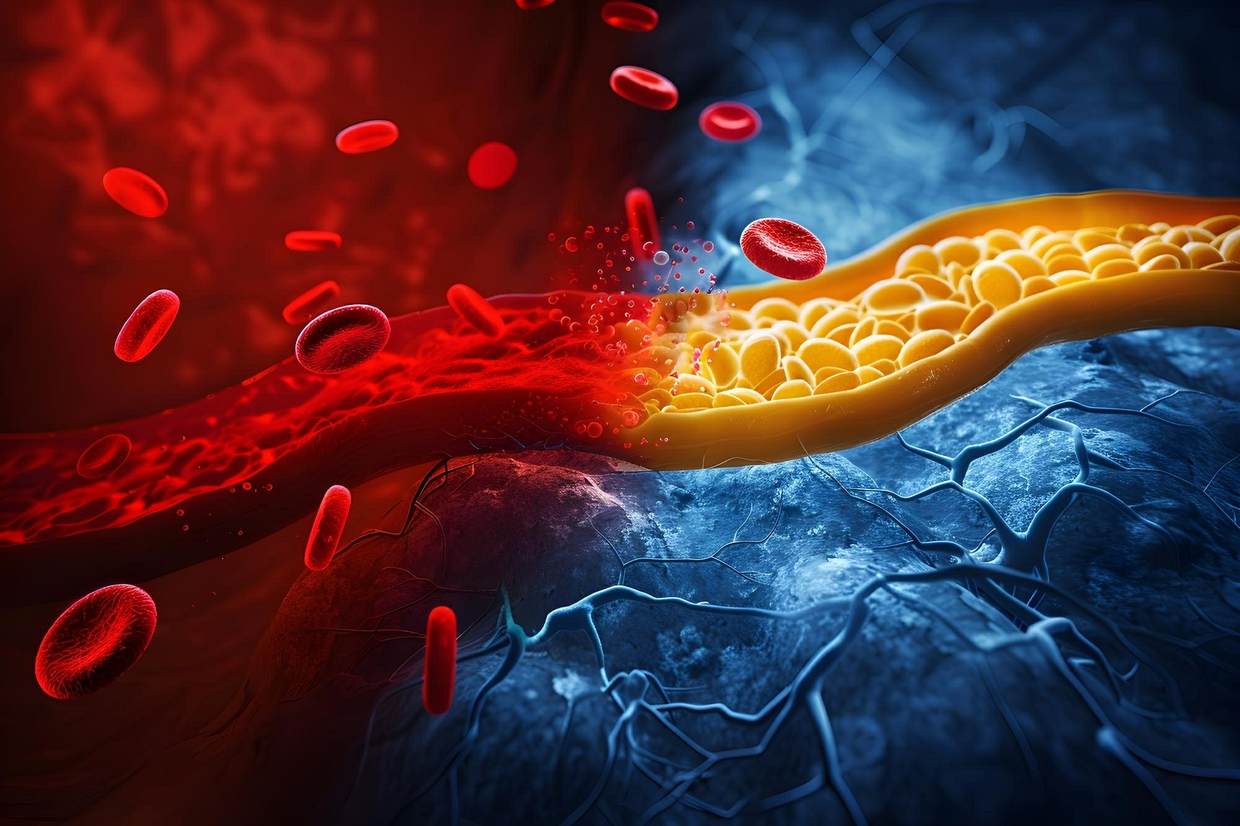
Inflammation is the spark that ignites cardiovascular disease. When the inner lining of your arteries becomes inflamed, it becomes more permeable and more vulnerable to damage. LDL particles — especially the small, dense kind — can slip beneath the arterial wall and oxidize. This oxidation triggers the immune system, leading to plaque formation.
Inflammation is driven by stress, poor diet, toxins, infections, and metabolic dysfunction. Without inflammation, cholesterol rarely becomes a problem.
⚡ Oxidative Stress
Oxidative stress occurs when free radicals overwhelm the body’s antioxidant defenses. This damages the endothelium (the delicate lining of your arteries) and makes it ‘sticky’ and easier for plaque to form. It also oxidizes LDL particles, turning them into the dangerous form that contributes to arterial blockage.
🧠 Autonomic Nervous System Imbalance
Your cardiovascular system is deeply influenced by your nervous system. When you live in sympathetic dominance — the fight‑or‑flight state — your arteries constrict, your blood pressure rises, and your heart works harder. Over time, this creates wear and tear on the vascular system.
Parasympathetic activation, on the other hand, promotes vasodilation, relaxation, and repair.
📉 Blood Pressure Variability
It’s not just “high blood pressure” that matters. It’s the swings — the variability — that damage arteries. Sudden spikes in pressure stretch and stress the arterial walls, making them more vulnerable to inflammation and plaque formation.
🪢 Arterial Stiffness
Healthy arteries are flexible. They expand and contract with each heartbeat. But inflammation, stress, aging, and poor metabolic health stiffen the arteries, increasing the workload on the heart and raising systolic pressure.
Arterial stiffness is one of the strongest predictors of cardiovascular events — yet it’s rarely discussed.
🍬 Metabolic Dysfunction
Insulin resistance is one of the most powerful drivers of cardiovascular disease. When your cells stop responding to insulin, your liver produces more triglycerides and more small, dense LDL particles — the dangerous kind that easily oxidize and penetrate arterial walls.
This is why blood sugar balance is a cardiovascular issue, not just a metabolic one.
🧪The Truth About Cholesterol (and Why Most People Are Misled)
🧬LDL Is Not One Thing
LDL cholesterol comes in different shapes and sizes:
- Pattern A (“fluffy”) — large, buoyant, less likely to oxidize or stick
- Pattern B (“hard”) — small, dense, easily oxidized, highly atherogenic
Pattern B is the real problem — not LDL itself.
😰 Why Standard Lipid Panels Are Outdated
A standard lipid panel tells you:
- Total cholesterol
- LDL
- HDL
- Triglycerides
But it does not tell you:
- LDL particle size
- LDL particle number
- ApoB levels
- Lipoprotein(a)
- Oxidized LDL
- Inflammatory status
This means someone with “normal” LDL could be at high risk, while someone with “high” LDL could be perfectly healthy.
📊The Tests That Actually Matter
Advanced markers reveal the true picture:
- LDL‑P (particle number)
- ApoB (number of atherogenic particles
- Lipoprotein(a)
- NMR Lipoprofile
- hs‑CRP (inflammation)
- Oxidized LDL
- Triglyceride/HDL ratio (metabolic health indicator)
These markers help you understand your actual cardiovascular risk — not just the surface‑level numbers.
🩺 Why Doctors Rarely Order These Tests
Often due to:
- Insurance limitations
- Outdated guidelines
- Time constraints
- Lack of training in lipid subfractions
This isn’t about blaming clinicians — it’s about empowering patients (you) with knowledge.
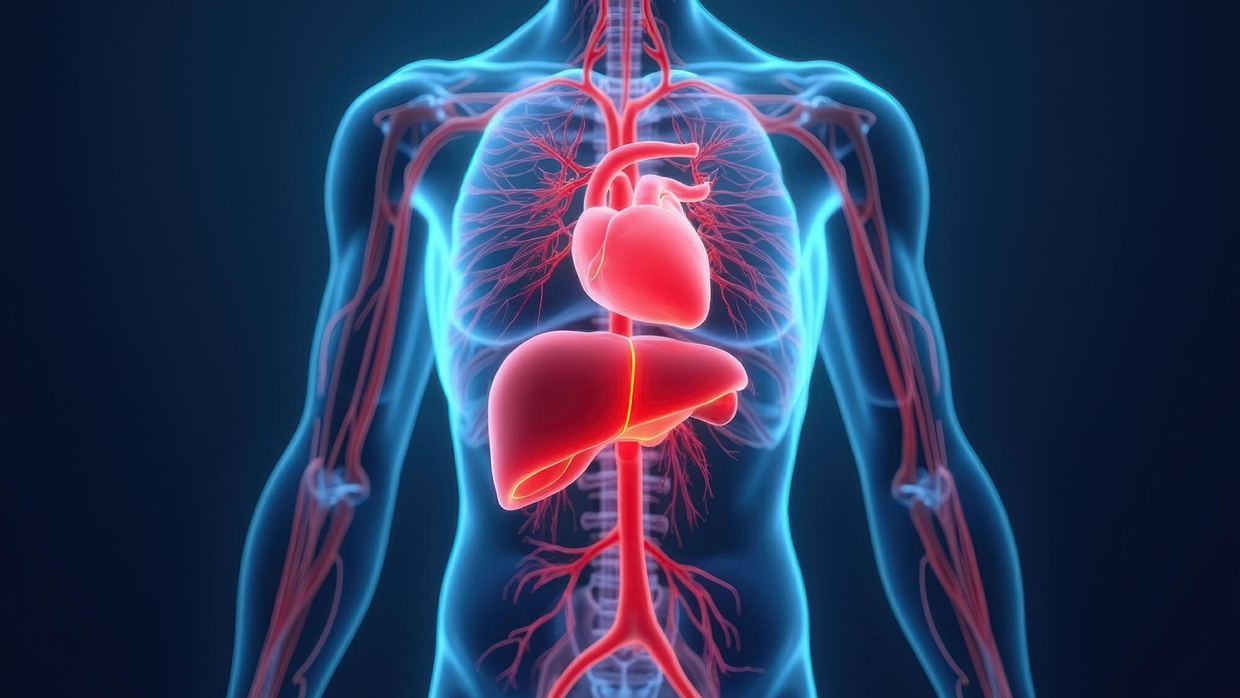
🫀The Liver: The Hidden Engine of Cardiovascular Health
The liver is the unsung hero of cardiovascular health. It is the metabolic command center that determines how your body handles fats, sugars, toxins, and cholesterol.
🔄 Cholesterol Production & Recycling
Your liver produces about 80% of your cholesterol. It also recycles cholesterol through bile. When the liver is sluggish or inflamed, cholesterol metabolism becomes inefficient, leading to elevated LDL, triglycerides, and small dense LDL particles.
🍭 Blood Sugar Regulation
The liver stores and releases glucose. When it becomes insulin resistant, it releases too much sugar into the bloodstream, driving metabolic dysfunction and cardiovascular risk.
⚙️ Triglyceride Metabolism
High triglycerides are often a sign of liver stress. They contribute to small dense LDL formation and arterial inflammation.
🧹 Detoxification & Oxidative Stress
A healthy liver neutralizes toxins and reduces oxidative stress. A burdened liver allows oxidative damage to accumulate, harming arteries and oxidizing LDL particles.
🧯 Inflammation Signaling
The liver produces inflammatory proteins like CRP. When the liver is inflamed, systemic inflammation rises — and cardiovascular risk rises with it.
Supporting liver health is one of the most powerful ways to improve cardiovascular health.

🚫The Hidden “Bad Influencers” That Harm Heart Health
Many of the factors that damage the cardiovascular system operate quietly in the background:
- Chronic stress
- Poor sleep
- High sugar intake
- Ultra‑processed foods
- Trans fats
- Smoking or vaping
- Sedentary lifestyle
- Excess sodium from processed foods
- Environmental toxins
- Chronic dehydration
- Emotional suppression or unresolved stress patterns
Each of these contributes to inflammation, oxidative stress, metabolic dysfunction, or arterial stiffness.

🌿The “Good Influencers” That Strengthen Heart Health Naturally
🥗 Anti‑Inflammatory Nutrition
Foods rich in antioxidants, fiber, healthy fats, and polyphenols help reduce inflammation, improve lipid profiles, and support arterial health.
- Nuts (see full comparison below)
- Omega‑3 rich foods
- Polyphenols (berries, green tea, dark chocolate)
- Fiber (binds cholesterol, improves microbiome)
- Magnesium‑rich foods
-
Potassium‑rich foods
🚶 Daily Movement
Walking, strength training, and post‑meal movement improve insulin sensitivity, blood pressure, LDL particle size, and arterial flexibility.
🧠 Nervous System Regulation
Breathwork, meditation, and HRV‑supportive practices reduce sympathetic load and improve vascular tone.
💤 Sleep Optimization
Deep sleep is when the cardiovascular system recalibrates and repairs.
☀️ Sunlight & Circadian Rhythm
Morning sunlight boosts nitric oxide and supports blood pressure regulation.
💧 Hydration & Electrolytes
Proper hydration improves blood viscosity and circulation.
🔋 Bioenergetic Support
Balancing the body’s informational fields that regulate stress, inflammation, circulation, and nutrient utilization helps the body maintain cardiovascular resilience.
When the body-field is coherent, the biology follows.
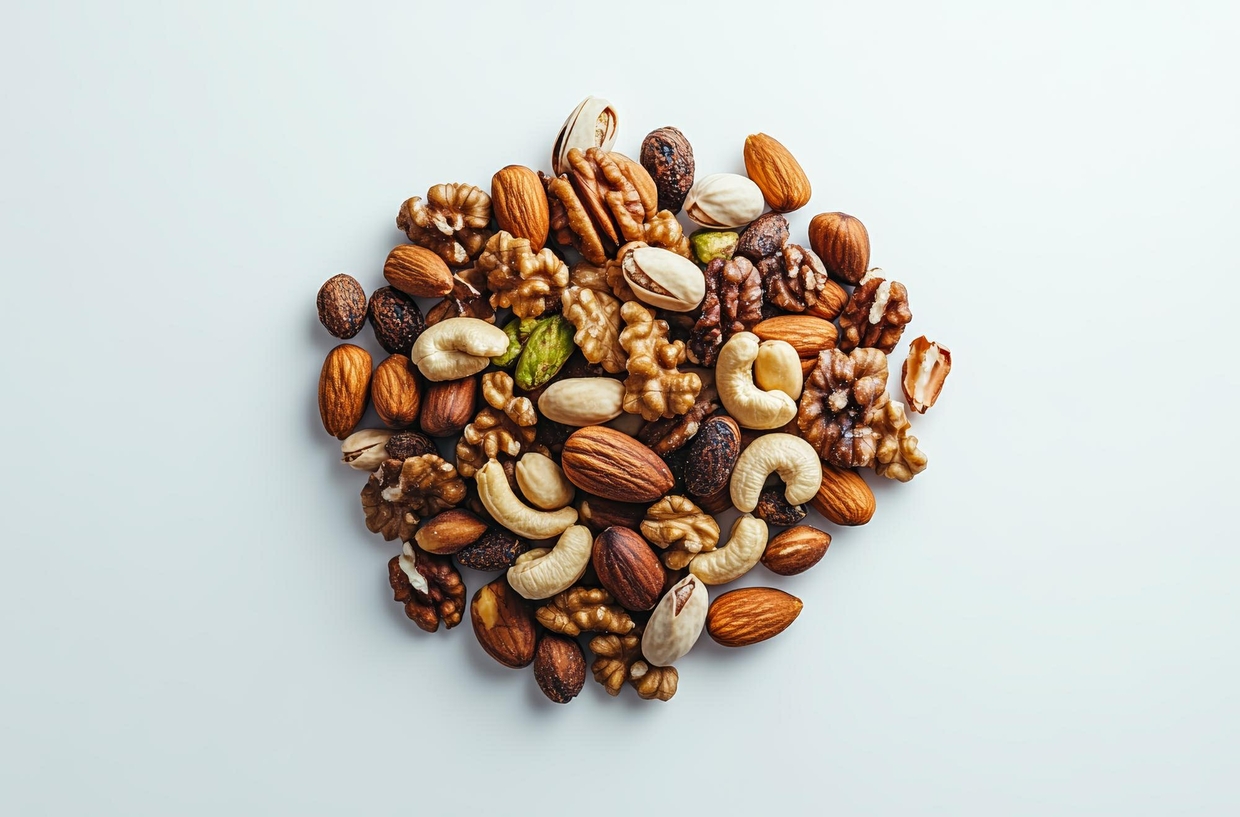
🥜The Nut Comparison: Which Nuts Support Heart Health the Most?
Nuts are one of the most consistently heart‑protective foods — but each type has unique strengths.
Comparison Table
| Nut | LDL Reduction | Arterial Health | Anti‑Inflammatory | Key Benefit |
|---|---|---|---|---|
| 🌰 Walnuts | ★★★★★ | ★★★★★ | ★★★★★ | Omega‑3 powerhouse |
| 🌰 Almonds | ★★★★☆ | ★★★★☆ | ★★★★☆ | Strong LDL reduction |
| 🌰 Pistachios | ★★★★☆ | ★★★★☆ | ★★★★☆ | Plant sterols |
| 🌰 Pecans | ★★★★★ | ★★★☆☆ | ★★★★☆ | Strong LDL & TG reduction |
| 🌰 Peanuts | ★★★☆☆ | ★★★☆☆ | ★★★☆☆ | Affordable daily option |
What About Lightly Salted Nuts?
A daily handful still provides the same heart benefits — the sodium content is modest and does not negate their positive effects unless total daily sodium intake is already high.
🎥 Complementary Deep‑Dive Video
This video offers a clear, visual summary of many of the concepts we’ve explored so far — including LDL particle size, inflammation, metabolic health, and the difference between harmful and protective lifestyle factors. It reinforces the key ideas in this article and helps you see how all the pieces fit together in a simple, accessible way.
When you’re ready, continue below — we’ll translate these insights into a practical, natural cardiovascular optimization plan you can start using right away.

🧭A Practical, Natural Cardiovascular Optimization Plan
Improving cardiovascular health doesn’t require extreme interventions. Small, consistent changes — supported by awareness and the right information — can shift your biology in powerful ways. This plan brings together the most effective natural strategies for supporting cholesterol balance, blood pressure, arterial flexibility, metabolic health, and overall cardiovascular resilience.
🚶 Move Your Body Daily
Movement is one of the most potent cardiovascular medicines. Even a simple 20–30 minute walk improves endothelial function, lowers inflammation, and helps shift LDL particles toward the larger, “fluffy” pattern. Walking after meals is especially powerful because it reduces glucose spikes, which in turn reduces the formation of small, dense LDL particles.
Strength training adds another layer of benefit by improving insulin sensitivity, supporting healthy blood pressure, and increasing metabolic flexibility.
🧘 Support Your Nervous System
Your heart and arteries respond instantly to your nervous system. Slow nasal breathing, meditation, and HRV‑supportive practices help shift the body out of sympathetic overdrive and into a state where blood vessels relax, blood pressure stabilizes, and inflammation decreases. Even five minutes of coherent breathing can create measurable changes.
🥗 Eat for Anti‑Inflammation and Metabolic Balance
Nutrition is one of the most direct ways to influence cardiovascular health. Foods rich in antioxidants, fiber, healthy fats, and polyphenols help reduce inflammation, improve lipid profiles, and support arterial health. Nuts — especially walnuts, almonds, pistachios, pecans, and even peanuts — offer unique cardiovascular benefits, from lowering LDL to improving arterial function.
Reducing sugar and ultra‑processed foods lowers inflammation and prevents the formation of small, dense LDL particles. Adding fiber supports cholesterol clearance and improves the gut‑heart axis.
🛌 Prioritize Restorative Sleep
Deep sleep is when the cardiovascular system recalibrates. Poor sleep increases blood pressure, inflammation, and arterial stiffness. Creating a consistent sleep routine, reducing evening screen exposure, and supporting circadian rhythm with morning sunlight can dramatically improve cardiovascular markers.
💧 Hydrate and Support Electrolyte Balance
Proper hydration improves blood viscosity and circulation. Potassium‑rich foods help counterbalance sodium and support healthy blood pressure. Even mild dehydration can increase cardiovascular strain.
🔆 Get Sunlight and Support Circadian Rhythm
Morning sunlight boosts nitric oxide production, improves blood pressure regulation, and strengthens circadian rhythm — which in turn supports sleep, metabolism, and hormonal balance.
🫀Support Your Liver
Because the liver regulates cholesterol production, blood sugar balance, triglyceride metabolism, detoxification, and inflammatory signaling, supporting liver health is essential for cardiovascular health. Hydration, fiber, antioxidants, reduced alcohol intake, and bioenergetic support all help the liver function more efficiently.
🧬 Support Your Body‑Field
Your cardiovascular system is guided by the body’s informational fields that regulate stress, inflammation, circulation, and nutrient utilization. A Body‑Field Scan helps identify where stress or distortion is accumulating and provides a personalized roadmap for restoring coherence. When the body’s informational field is balanced, the physical body often follows.
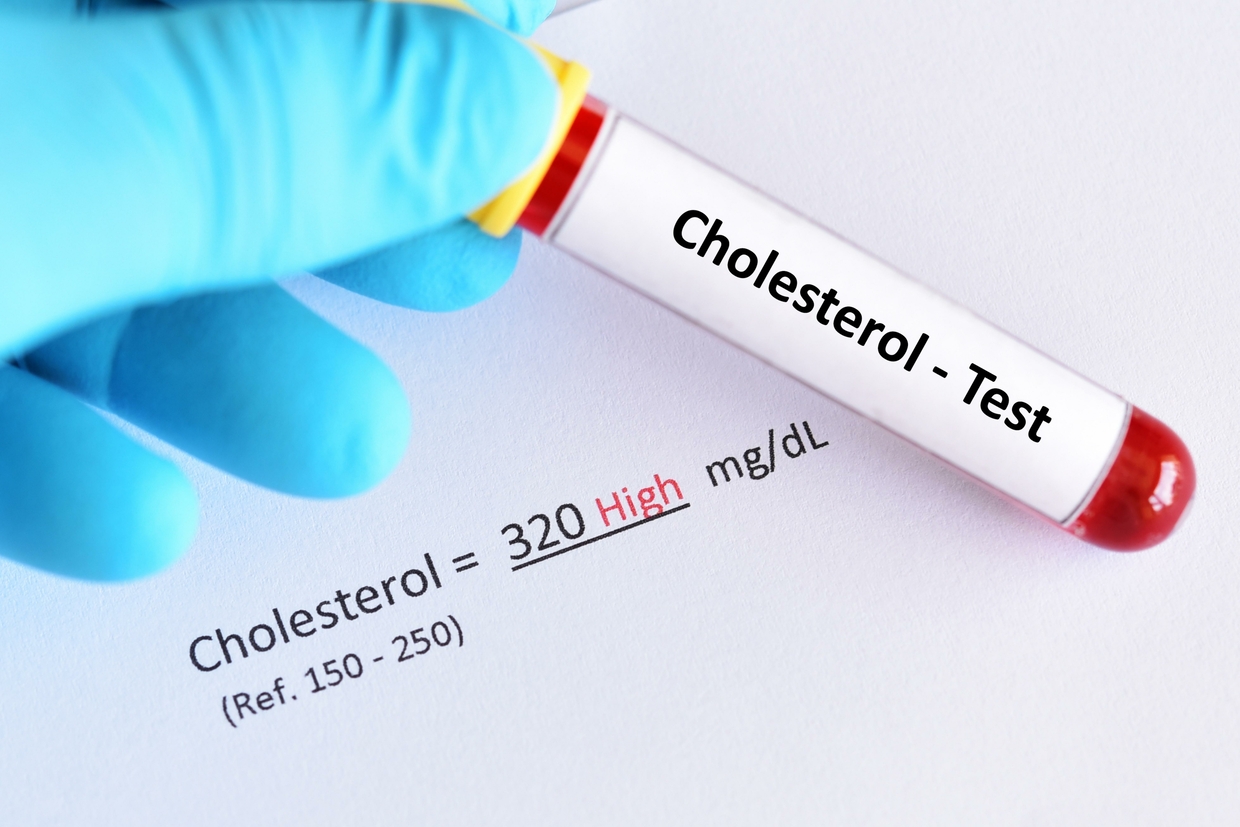
📈 Track Your Progress With the Right Blood Tests
Lifestyle changes are powerful — but they become even more meaningful when you can see the impact. The right blood tests allow you to track improvements in inflammation, metabolic health, and cholesterol particle patterns. This gives you and your doctor a clearer picture of your cardiovascular trajectory.
Here are the markers worth requesting:
Essential Markers (Start Here)
These reveal the most important aspects of cardiovascular risk:
- ApoB — measures the number of atherogenic particles
- LDL‑P — particle number, not just cholesterol content
- LDL Particle Size — Pattern A (fluffy) vs. Pattern B (dense)
- Lipoprotein(a) — genetically influenced, often overlooked
- hs‑CRP — inflammation marker tied directly to arterial risk
⚠️ Here are some examples of lab test panels that include these biomarkers:
These panels already bundle many of the essential and advanced cardiovascular markers we discussed, making it easier for patients to request comprehensive testing without needing to list each marker individually.
- Advanced Heart Health Test Panel (Ulta Lab Tests) – Juneva Health Includes ApoB, LDL‑P, particle size, hs‑CRP, fasting insulin, and more — a complete cardiovascular risk profile.
- Advanced Heart Health Test Panel (Quest Diagnostics) A widely available panel that covers advanced lipid markers, inflammation markers, and metabolic indicators.
- Advanced Lipid Panel (ScienceInsights) Focuses on LDL particle number, size, ApoB, and oxidized LDL — ideal for understanding true cholesterol risk.
- Heart Vitality Panel (Healthspan) Combines lipid subfractions, inflammation markers, and metabolic markers for a holistic cardiovascular assessment.
Highly Recommended Markers
These deepen your understanding:
- Oxidized LDL — the form most likely to cause plaque
- Triglyceride/HDL Ratio — metabolic health indicator
- Fasting Insulin — reveals insulin resistance early
- HbA1c — long‑term blood sugar control
- GGT — liver stress and oxidative stress marker
Optional but Valuable
- Homocysteine
- Ferritin
- ALT/AST
- Fasting glucose
Why This Matters
When you combine lifestyle changes with the right testing, you can:
- See whether LDL particles are shifting from Pattern B to Pattern A
- Track reductions in inflammation
- Monitor improvements in metabolic health
- Understand how your liver is responding
- Catch hidden risk factors early
- Validate that your efforts are working
This transforms cardiovascular care from guesswork into clarity.

✨Final Thought: Your Heart Is More Than a Pump — It’s an Information System
Your cardiovascular system is not just a network of tubes and valves. It is an electromagnetic, information‑driven system that responds to your environment, your emotions, your stress patterns, your sleep, your nutrition, and foremost the coherence of your body‑field.
Every heartbeat is guided by electrical signals and information flow. Every artery responds to energetic cues.
Every cell in your cardiovascular system is listening to the information flowing through your body.
When the informational field becomes distorted — through stress, trauma, toxins, emotional suppression, or chronic overload — the physical body begins to reflect that imbalance. This can show up as:
- Elevated inflammation
- Poor circulation
- Blood pressure variability
- Metabolic dysfunction
- Arterial stiffness
- Fatigue or low vitality
- Difficulty recovering from stress
Bioenergetics helps address these deeper patterns by restoring coherence to the body‑field — the underlying blueprint that guides physical function.
A Body‑Field Scan can reveal:
- Where stress is accumulating
- Which organs or systems are energetically burdened
- How well the body is regulating inflammation
- Whether the liver, heart, or circulatory pathways show energetic distortions
- Nutrient utilization (malabsorption) patterns
- Emotional or environmental stress signatures
- Priorities for restoring balance
When you support the body’s informational field, the biology often follows. Clients frequently report improvements in:
- Energy
- Sleep
- Stress resilience
- Circulation
- Blood pressure stability
- Emotional balance
- Overall cardiovascular vitality
Your heart is not just a pump — it is a resonant, adaptive, intelligent system. When you support it on all levels — physical, emotional, energetic — you give it the environment it needs to thrive.
If you’re ready to understand your cardiovascular health from a deeper, more holistic perspective, a Body‑Field Scan is the natural next step. It provides clarity, direction, and a personalized roadmap for restoring coherence and supporting your heart at its most fundamental level.

All-Natural Supplements

All-Natural Supplements
Infoceuticals - Feel-Good

All-Natural Supplements

All-Natural Supplements

All-Natural Supplements
Body-Field Scan
Ready to find out what’s impacting your energy levels by using our bioenergetic scanning technology. Check out your body’s energy with a Body-Field scan and gain deeper insight into your holographic self with our certified Bioenergetic Practitioner. For an In-Clinic visit click here, or, for a Telehealth (remote) session click here.
We offer a completely new, alternative and bioenergetic healthcare approach based on 21st century science, technology and quantum physics with personalized, holistic therapy solutions such as, our unique BioScalar Infusion℠ therapy, Bioenergetic body-field scan technology, miHealth biofeedback, PEMF, Rife and Vibroacoustic (VAT) therapies that can restore optimal health and well-being throughout the body, mind and spirit in the most natural way. Let us help you restore your health and energy!