


Jan
Since 2007, scientists at the National Institutes of Health (NIH) Human Microbiome Project have been exploring the remarkable world of bacteria living within the human body. In 2008, the European Commission and China launched the Metagenomics of the Human Intestinal Tract Project (MetaHIT), expanding this global effort.
For centuries, science recognized only a limited number of pathogenic bacteria—those that cause disease—leading to antibiotics becoming the dominant treatment. But with modern DNA sequencing and insights from the Human Genome Project, researchers have uncovered an immense universe of microorganisms, both harmful and beneficial, far beyond what we once imagined.[1]
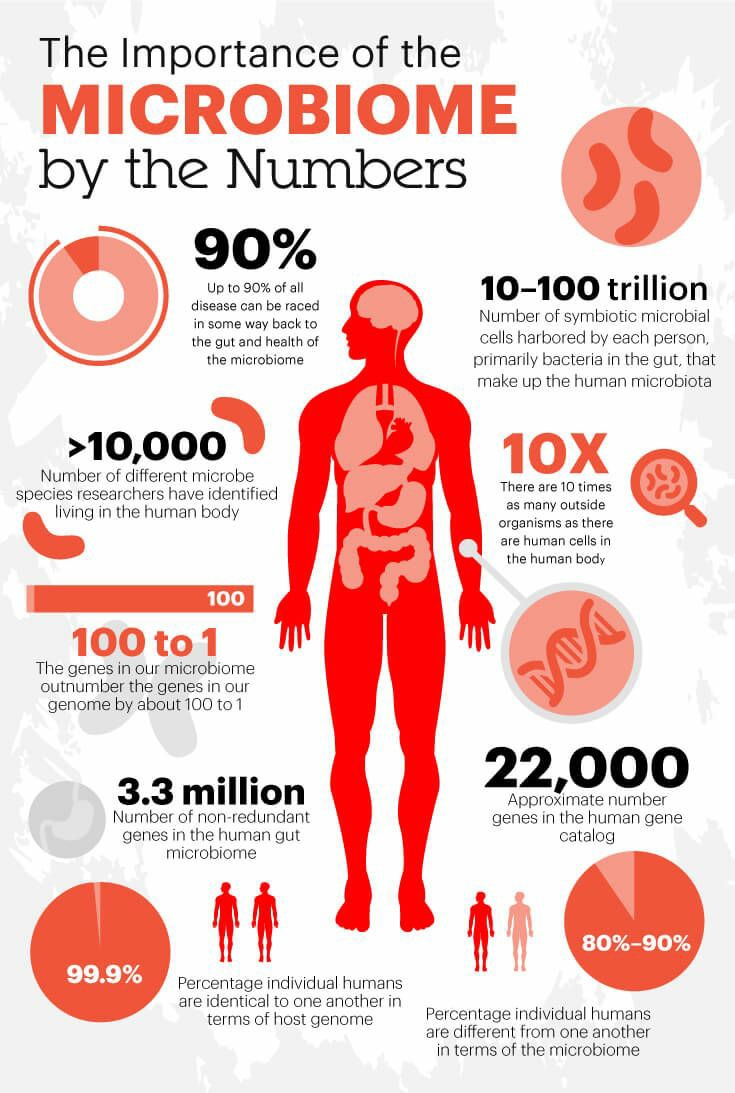
While humans inherit more than 22,000 genes from their parents, the bacteria living in and on us contribute at least eight million bacterial genes—roughly 360 times more bacterial genes than human genes.
This collective genetic material is known as the human microbiome.[2]
Your microbiome often resembles that of your immediate family, as we naturally inherit microbial communities from those closest to us. Over time, we also accumulate “hitchhikers” from food, water, and our environment.
Scientists estimate that 100 trillion bacteria inhabit the intestinal tract alone!
In this bustling ecosystem, the host (you) benefits while the bacteria remain largely unaffected—a relationship known as commensalism. Some researchers prefer the term mutualistic, as many gut bacteria actively support human health.
The Balance of Bacteria and Your Health
In 2010, the Human Microbiome Project published an analysis of 178 bacterial genomes found in and on the human body. Researchers have now identified over 10,000 types of bacteria, including novel genes and proteins essential to human health.[3]
The vast majority of these bacteria support the body rather than harm it.
Martin J. Blaser, chairman of the Department of Medicine and professor of microbiology at NYU School of Medicine, explains:
“Germs make us sick, but everyone focuses on the harm. It’s not that simple, because without most of these organisms we could never survive.”[4]
He adds:
“I have been a practicing physician and medical researcher for more than thirty years, and this is the most exciting and important work of my lifetime.”[5]
As scientists continue mapping the human microbiome, they are uncovering the differences between healthy and disrupted microbial ecosystems.
A balanced microbiome is essential for:
- strong immune function
- protection against infections
- proper digestion and nutrient absorption
- metabolic stability
- mood regulation and emotional well‑being
Multiple strains of bacteria interact synergistically to support health.[6]
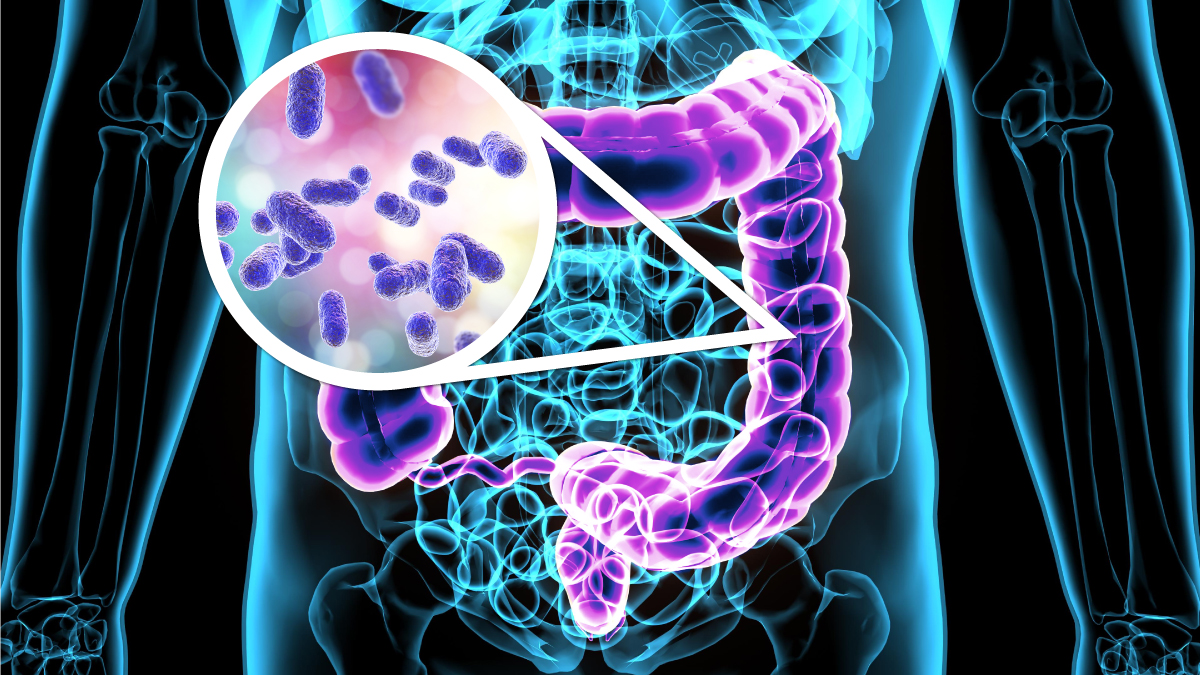
The optimal balance of bacteria can be altered in many ways.
- Broad spectrum antibiotics that kill bacteria in the gut indiscriminately[7]
- Prescription medications[8]
- Disease-carrying bacteria, fungi, parasites, and yeasts
- Stress[9]
- Lack of sleep[10]
- Poor Diet & Lifestyle[11]
- Geography[12]
- Travel[13]
- Physical disconnection with nature[14]
Researchers have even found that gut bacteria influence the brain and personality. Germ‑free mice display heightened anxiety and hyperactivity, along with measurable neurochemical changes. These changes have also been associated with neurochemical changes in the mouse brain.[15][16]
Microbiota balance also affects metabolic processes, nutrient acquisition, and energy regulation. The microbiome’s influence extends throughout the entire body.
These trillions of microorganisms shape immunity, digestion, mood, and even the way we think and feel. They help neutralize carcinogens, generate vitamins, and produce essential nutrients. Yet, as Harvard researchers note, lifestyle choices can push some microbes toward pathogenic behavior.
These trillions upon trillions of microorganisms, all coexist, and have a huge effect on your overall health and well-being.
This invisible system plays an incredibly important role in everything from your immunity and digestion… to your thoughts, feelings and emotions. It fights carcinogens and generates vitamins and nutrients…
And while most of the microbes living in our body work together for our good, scientists at the Harvard School of Public Health have found how we take care of our body may trigger some microbes to become pathogenic – or dangerous and disease-causing.
How to take good care of your microbiome
Here are practical, everyday strategies to support a healthy microbiome:
- Avoid Processed Food – according to researchers, processed foods that are high in fat and sodium lead to a reduced microbiome. Not only do they lack the nutrients for microbiomes to thrive but eating high-calorie processed food also leads to unwanted weight gain.
- Increase Your Fiber Intake – research says that a high-fiber diet is the key to maintaining a good balance in your gut microbiome. They recommend a fiber intake of 30 grams per day. A high-fiber microbiome diet helps you lose weight. High-fiber foods make you feel fuller because they take longer to digest. The fuller you feel, the less food you’ll want to eat. Fiber also helps stimulate digestion.
- Eat Foods Rich in Probiotics – probiotics contain live culture bacteria and reinvigorate the microbiome in your body. These probiotics can typically be found in fermented food. However, not all fermented foods contain live cultures. Beer, wine, and soy sauce are too processed for good bacteria to live in them.
- Eat Prebiotic-Rich Foods – more than probiotics, prebiotics are also beneficial in maintaining good microbiome balance in your body. Prebiotics are substances that serve as nutrients for the microbiome within the human body. According to research, prebiotics help microorganisms in the body metabolize nutrients to promote the human body’s well-being, and also help in lowering cholesterol and preventing diabetes. Numerous studies also pointed out that prebiotics contribute to maintaining metabolic health, skin health, and maintaining immune function. Prebiotics are commonly found in certain soluble fermentable fibers and dietary fibers. Here are a few examples:
- Chicory Root (65% of fiber by weight)
- Jerusalem Artichoke, or earth apple (31.5%)
- Garlic (17.5%)
- Onions (8.6%)
- Leek (11.7%)
- Asparagus (5.0%)
- Wheat Bran (5.0%)
- Wheat Flour (4.8%)
- Add Polyphenol-Rich Superfoods into Your Diet – polyphenols balance the gut microbiome to contribute to overall gut health by allowing them to absorb prebiotics better. Polyphenols are compounds commonly found in medicinal herbs and dietary plants. Foods containing high polyphenol content are highly sought after because of their antioxidant effects, and natural aid to treating inflammation according to some studies.
- Try Intermittent Fasting – a few studies have concluded that intermittent fasting positively impacts gut microbiomes. Fasting increases microbiome diversity in the colon and thereby leads to a more robust body by preserving gut health. Other than maintaining microbiome balance, intermittent fasting also helps with weight loss, enhanced immunity, increased longevity, and overall improved health. The basic concept behind intermittent fasting is to split your schedule into times for eating and times for fasting. There are many ways to do intermittent fasting:
- 16/8 Method: Eating period is only 8 hours within the day and fasting for the remaining 16 hours. For example, start eating at 9:00 AM and start fasting by 5:00 PM. If you’re not a breakfast person, you can also opt to start eating at 12:00 PM and stop food intake by 8:00 PM.
- 5:2 Method: Fast for two days and eat normally for the other five days. Fasting for two days means consuming only 25% of your daily calorie needs. So if you consume 1,600 calories normally for five days, then you should only consume 400 calories per day for the other two days.
- Eat-Stop-Eat Method: Fasting 20 to 24 hours once or twice a week. For example, you can eat normally for the next six days until 8:00 PM on the sixth day. Then, stop eating after 8:00 PM. You will then resume eating by 8:00 PM the next day.
- Consider Supplements – if you aren’t into Kimchi and Kombucha, you may find it difficult to incorporate probiotics into your diet. Taking probiotic supplements may be a better option, and there are other supplements that work alongside them to support your microbiome:
- Take probiotic supplements to feed your body with good bacteria.
- Add magnesium supplements to activate your digestive system.
- Take fish oil / omega supplements to keep gut microbiome healthy.
As we take care of the microorganisms in our body, we take care of ourselves. You can now take action to achieve microbiome balance in your body to improve your overall health.
A Probiotic Supplement with Prebiotics & Polyphenols
Most probiotics fall short because they lack the prebiotics and polyphenols needed for optimal gut health.
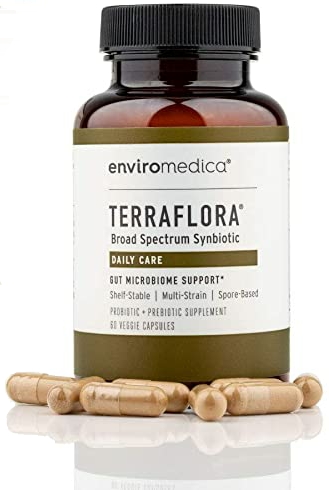
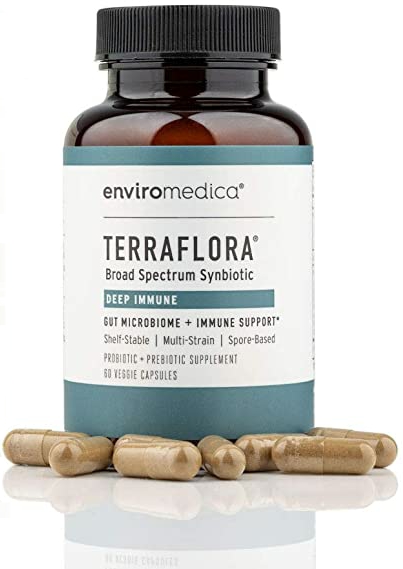
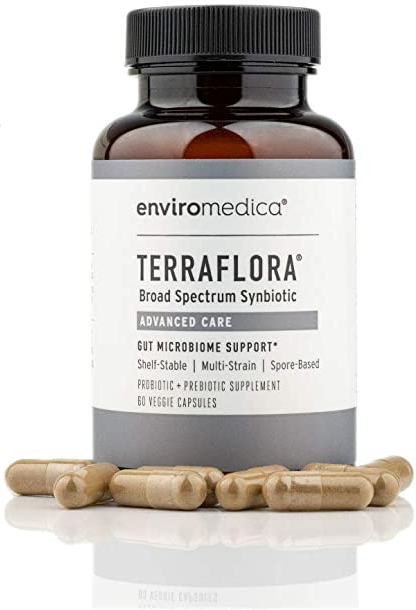
Enviromedica’s Synbiotic (Probiotic + Prebiotic) Based Terraflora™
This soil‑based, broad‑spectrum synbiotic combines resilient spore‑forming probiotics with ancient, food‑based prebiotics. Its seed‑like structure ensures survival through the GI tract, delivering live bacteria to the lower intestine.
Terraflora™ is a next generation probiotic plus prebiotic supplement designed for advanced gut microbiome support. It contains a specific selection of Bacillus bacteria, proven probiotic species found in traditional foods and ancestral diets. It is the combination of the strains, coupled with the ancient prebiotics that most successfully mimics the natural flora found in traditional and ancestral diets. Due to the complexity and vast variety of bacteria residing in the gut, the human microbiota thrives when fed this synbiotic blend.
Why Is Terraflora™ a Better Choice?
- Convenience: No need for refrigeration.
- Inherent Viability: A matrix of superior, highly-resilient microflora whose organic, seed-like structure survives the early GI tract to reach their target destination—the lower GI tract—intact, alive, and thriving in the intestine.
- Symbiotic Strains: A balanced formulation specially selected to mimic the natural flora found in traditional and ancestral diets.
- Shelf-stable: Highly resilient strains are protected against environmental factors
- Advanced Prebiotic Support: Unique formulation of diverse polyphenols and polysaccharides support healthy intestinal flora.
Other Probiotic Supplements with Specific Benefits
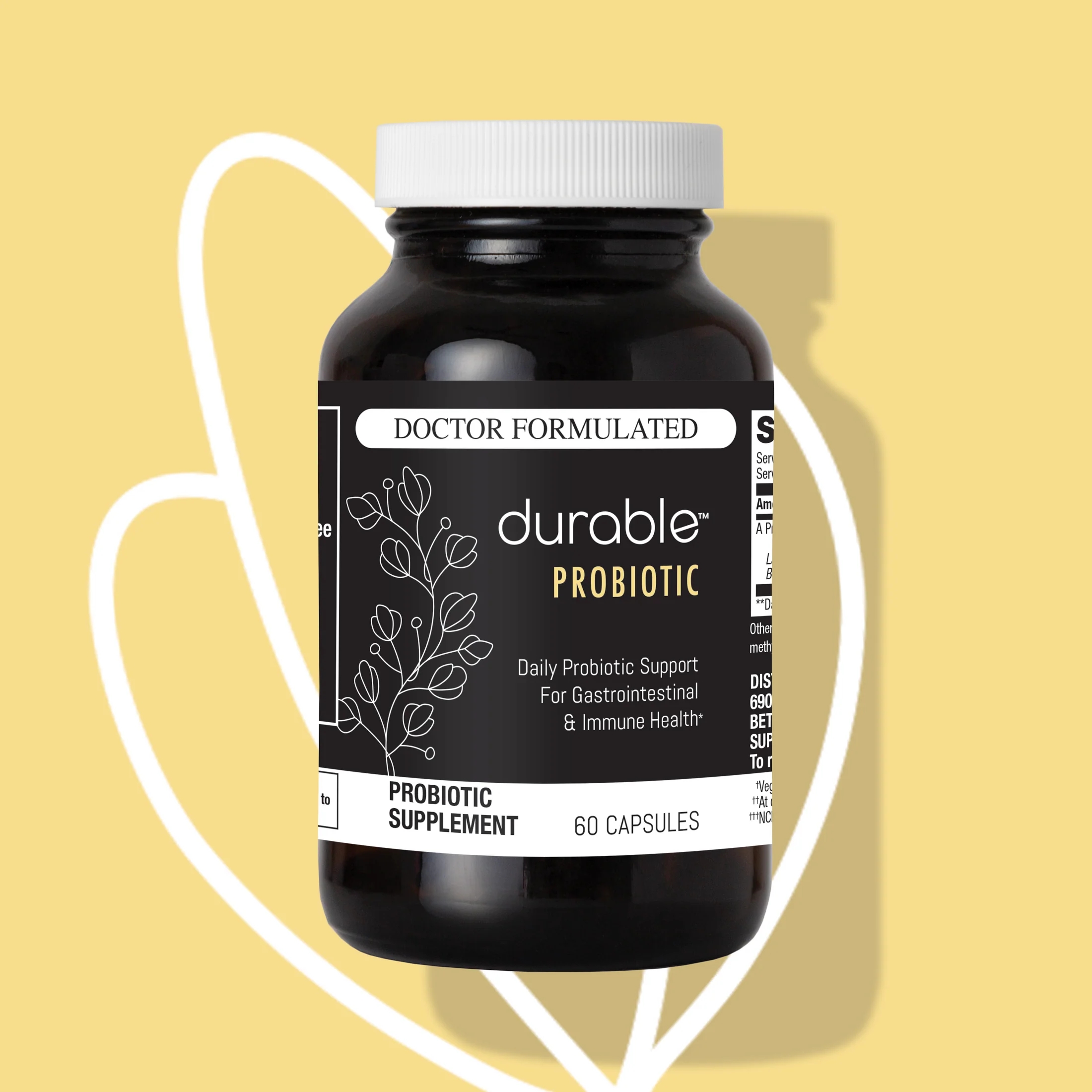
Durable PROBIOTIC
Proven Strains for Digestive & Immune Support
Durable PROBIOTIC delivers a potent 15 billion CFU of B. lactis Bi-07® and L. acidophilus NCFM® per capsule. These proprietary strains, which have been genetically verified by independent lab testing, have been extensively researched and proven effective for promoting superior digestive and immune health.
- Supports a balanced gut microbiome
- Promotes regularity and overall digestive comfort
- Eases bloating, gas and indigestion
- Supports a healthy immune system
- Shelf-stable so refrigeration is not required
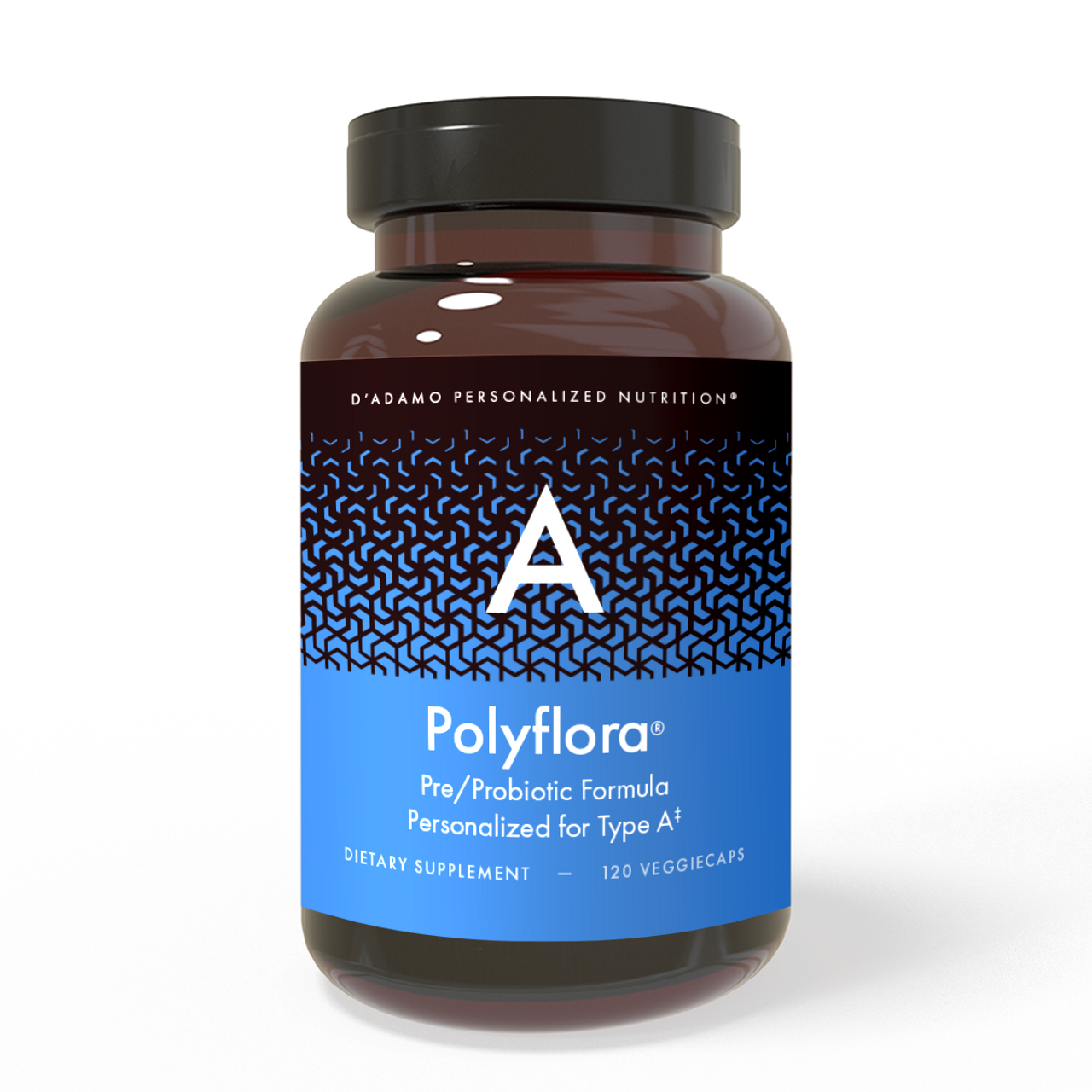
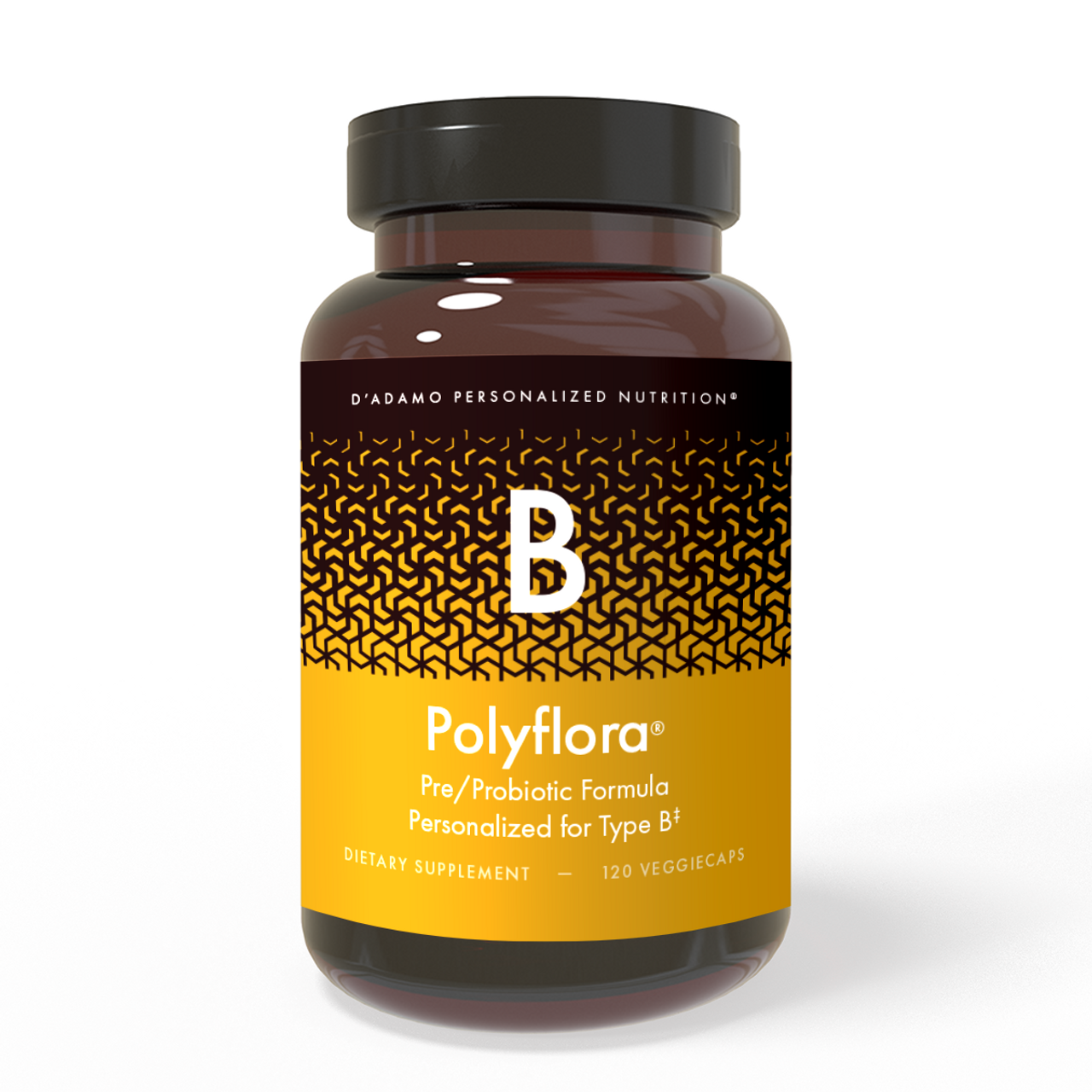
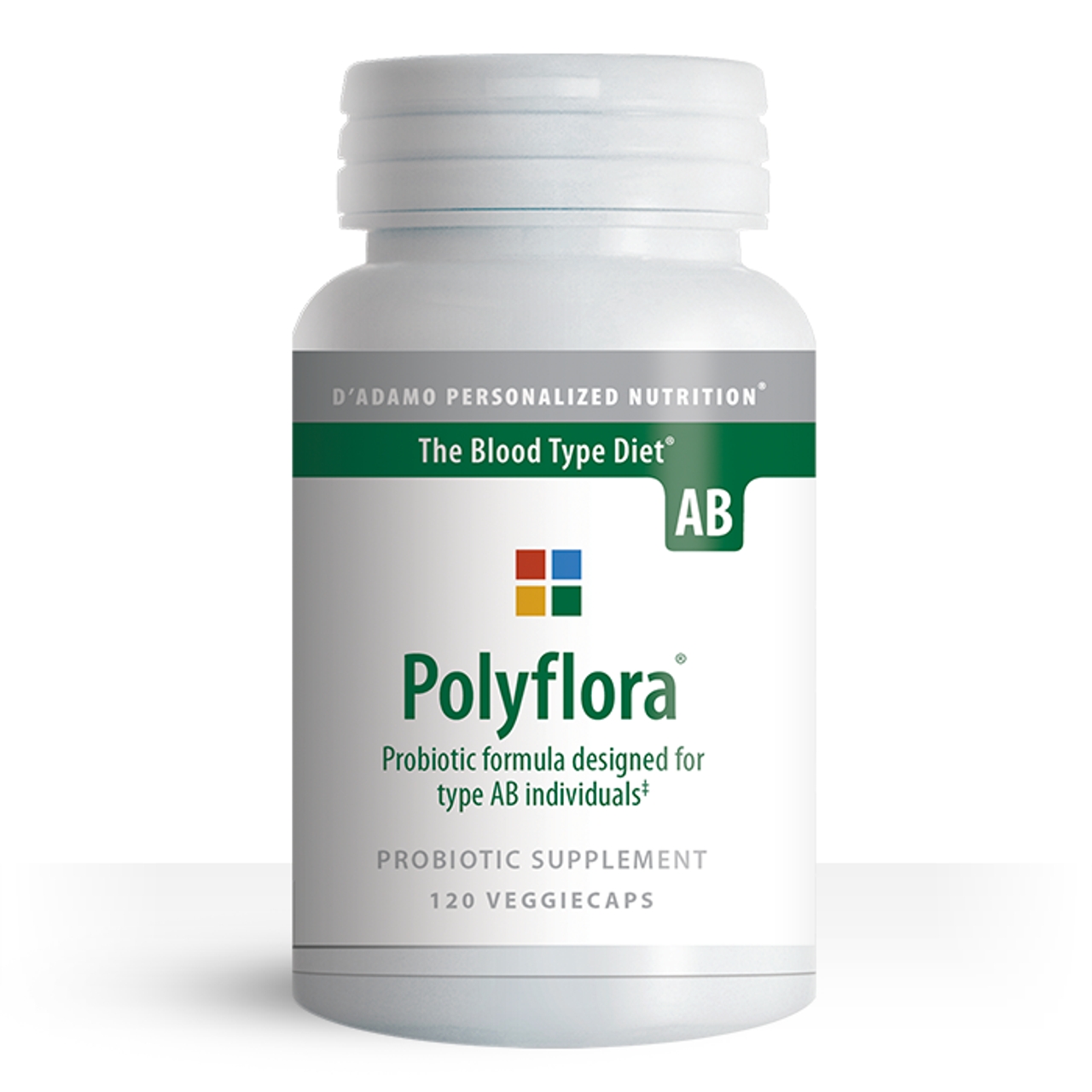
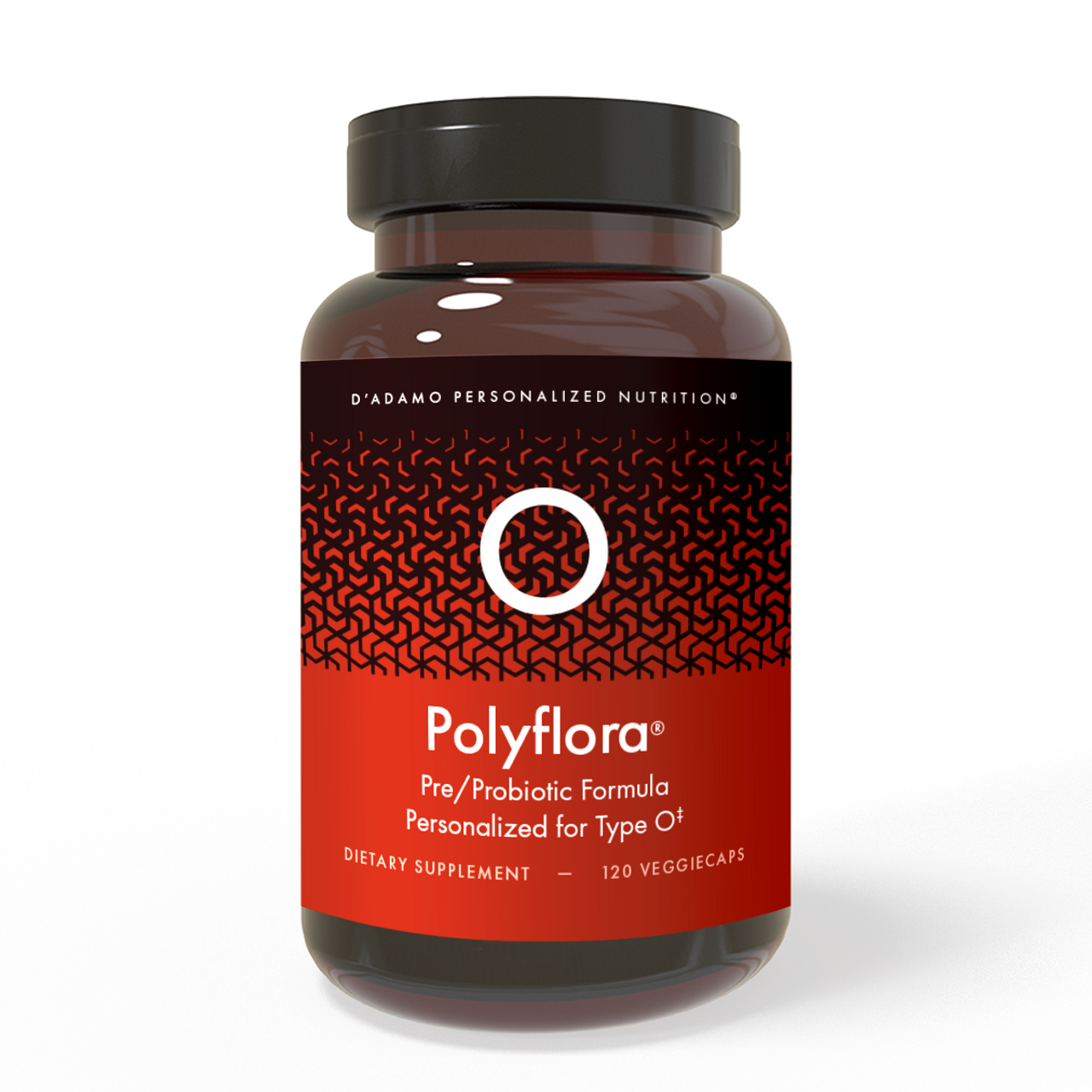
Polyflora
We’ve personalized probiotics.
Dr. Peter D’Adamo’s revolutionary Polyflora supplement is a personalized probiotic with flora specifically beneficial for your Blood Type A, B, AB, O plus prebiotic synergists to strengthen digestive health.
Because the foods you eat react chemically with your blood type, personalizing both your food, with The Blood Type Diet, and your supplements, with the probiotics and prebiotics in Polyflora, will allow your body to support healthy digestion.
- Supports the healthy intestinal balance of the microbiome
- Strengthens digestive health
- Promotes overall gut health using specific strains deemed beneficial for your Blood Type
- Shelf-stable so refrigeration is not required
Final Thought
Your gut microbiome is not just a biological curiosity—it is a dynamic, intelligent ecosystem that shapes nearly every aspect of your health. When you nourish it with the right foods, habits, and supportive supplements, you empower your body to function with greater clarity, resilience, and vitality. Small, consistent choices can create profound shifts in your digestion, immunity, mood, and long‑term well‑being. Caring for your microbiome is ultimately an act of caring for your whole self.
[1] Ursell, L. K., Metcalf, J. L., Parfrey, L. W. & Knight, R. 2012. Defining the human microbiome. Nutr Rev, 70 Suppl 1, S38-44.
[2] 2012. NIH Human Microbiome Project defines normal bacterial makeup of the body [Online]. National Institutes of Health: US Dept of Health & Human Services. Available: https://www.nih.gov/news-events/news-releases/nih-human-microbiome-project-defines-normal-bacterial-makeup-body [Accessed].
[3] Human Microbiome Jumpstart Reference Strains, C., Nelson, K. E., Weinstock, G. M., Highlander, S. K., Worley, K. C., Creasy, H. H., Wortman, J. R., Rusch, D. B., Mitreva, M., Sodergren, E., Chinwalla, A. T., Feldgarden, M., Gevers, D., Haas, B. J., Madupu, R., Ward, D. V., Birren, B. W., Gibbs, R. A., Methe, B., Petrosino, J. F., Strausberg, R. L., Sutton, G. G., White, O. R., Wilson, R. K., Durkin, S., Giglio, M. G., Gujja, S., Howarth, C., Kodira, C. D., Kyrpides, N., Mehta, T., Muzny, D. M., Pearson, M., Pepin, K., Pati, A., Qin, X., Yandava, C., Zeng, Q., Zhang, L., Berlin, A. M., Chen, L., Hepburn, T. A., Johnson, J., Mccorrison, J., Miller, J., Minx, P., Nusbaum, C., Russ, C., Sykes, S. M., Tomlinson, C. M., Young, S., Warren, W. C., Badger, J., Crabtree, J., Markowitz, V. M., Orvis, J., Cree, A., Ferriera, S., Fulton, L. L., Fulton, R. S., Gillis, M., Hemphill, L. D., Joshi, V., Kovar, C., Torralba, M., Wetterstrand, K. A., Abouellleil, A., Wollam, A. M., Buhay, C. J., Ding, Y., Dugan, S., Fitzgerald, M. G., Holder, M., Hostetler, J., Clifton, S. W., Allen-Vercoe, E., Earl, A. M., Farmer, C. N., Liolios, K., Surette, M. G., Xu, Q., Pohl, C., Wilczek-Boney, K. & Zhu, D. 2010. A catalog of reference genomes from the human microbiome. Science, 328, 994-9.
[4] Specter, M. 2012. Germs Are Us [Online]. The New Yorker. Available: https://www.newyorker.com/magazine/2012/10/22/germs-are-us [Accessed].
[5] Specter, M. 2012. Germs Are Us [Online]. The New Yorker. Available: https://www.newyorker.com/magazine/2012/10/22/germs-are-us [Accessed].
[6] Ley, R. E., Peterson, D. A. & Gordon, J. I. 2006. Ecological and evolutionary forces shaping microbial diversity in the human intestine. Cell, 124, 837-48.
[7] Maier, L. & Typas, A. 2017. Systematically investigating the impact of medication on the gut microbiome. Current Opinion in Microbiology, 39, 128-135.
[8] Maier, L. & Typas, A. 2017. Systematically investigating the impact of medication on the gut microbiome. Current Opinion in Microbiology, 39, 128-135.
[9] Foster, J. A., Rinaman, L. & Cryan, J. F. 2017. Stress & the gut-brain axis: Regulation by the microbiome. Neurobiology of Stress, 7, 124-136.
[10] Trinder, M., Bisanz, J.E., Burton, J.P., Reid, G. 2015. Bacteria Need “Sleep” Too?: Microbiome Circadian Rhythmicity, Metabolic Disease, and Beyond. UTMJ, 92, 52-55.
[11] Conlon, M. A. & Bird, A. R. 2014. The impact of diet and lifestyle on gut microbiota and human health. Nutrients, 7, 17-44.
[12] Conlon, M. A. & Bird, A. R. 2014. The impact of diet and lifestyle on gut microbiota and human health. Nutrients, 7, 17-44.
[13] Riddle, M. S. & Connor, B. A. 2016. The Traveling Microbiome. Curr Infect Dis Rep, 18, 29.
[14] Tasnim, N., Abulizi, N., Pither, J., Hart, M. M. & Gibson, D. L. 2017. Linking the Gut Microbial Ecosystem with the Environment: Does Gut Health Depend on Where We Live? Front Microbiol, 8, 1935.
[15] Neufeld, K. M., Kang, N., Bienenstock, J. & Foster, J. A. 2011. Reduced anxiety-like behavior and central neurochemical change in germ-free mice. Neurogastroenterol Motil, 23, 255-64, e119.
[16] O’mahony, S. M., Clarke, G., Borre, Y. E., Dinan, T. G. & Cryan, J. F. 2015. Serotonin, tryptophan metabolism and the brain-gut-microbiome axis. Behav Brain Res, 277, 32-48.
Body-Field Scan
Ready to find out what’s impacting your energy levels by using our bioenergetic scanning technology. Check out your body’s energy with a Body-Field scan and gain deeper insight into your holographic self with our certified Bioenergetic Practitioner. For an In-Clinic visit click here, or, for a Telehealth (remote) session click here.
We offer a completely new, alternative and bioenergetic healthcare approach based on 21st century science, technology and quantum physics with personalized, holistic therapy solutions such as, our unique BioScalar Infusion℠ therapy, Bioenergetic body-field scan technology, miHealth biofeedback, PEMF, Rife and Vibroacoustic (VAT) therapies that can restore optimal health and well-being throughout the body, mind and spirit in the most natural way. Let us help you restore your health and energy!