



Feb
Winter often brings renewed attention to vitamin D—the “sunshine vitamin”—and for good reason. Interest has surged in recent years, especially during the pandemic, as research continues to highlight its wide‑ranging impact on human health.
Vitamin D deficiency is now considered a global public health concern. Nearly 3 billion people worldwide are deficient, and about 50% of the population has insufficient levels.
“Around 75-80% of Americans are deficient in this important vitamin!”
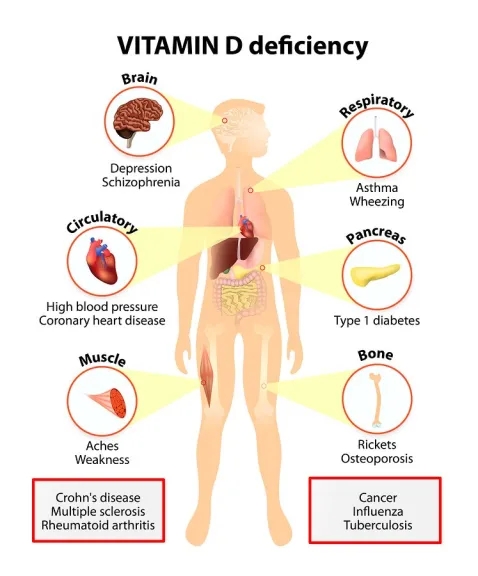
With vitamin D receptors discovered in tissues far beyond the gut and bones—including the brain, breast, prostate, and immune cells—research now links optimal vitamin D levels to reduced risk of diabetes, osteoporosis, hypertension, cardiovascular disease, metabolic syndrome, depression, autoimmune disorders, and cancers of the breast, prostate, and colon.

What is Vitamin D?
Vitamin D is technically not a vitamin because humans have the capacity to produce it themselves through exposure to sunlight. Vitamin D is biologically inert and must undergo two chemical processes in the body for activation. The first occurs in the liver and converts vitamin D to a prehormone called calcidiol. The second occurs primarily in the kidney and forms the physiologically active hormone calcitriol. Consequently, when we don’t get enough vitamin D, we will not have enough calcitriol inside our tissues (e.g. prostate, breast, colon etc.), and not having enough of a hormone can be very bad news.
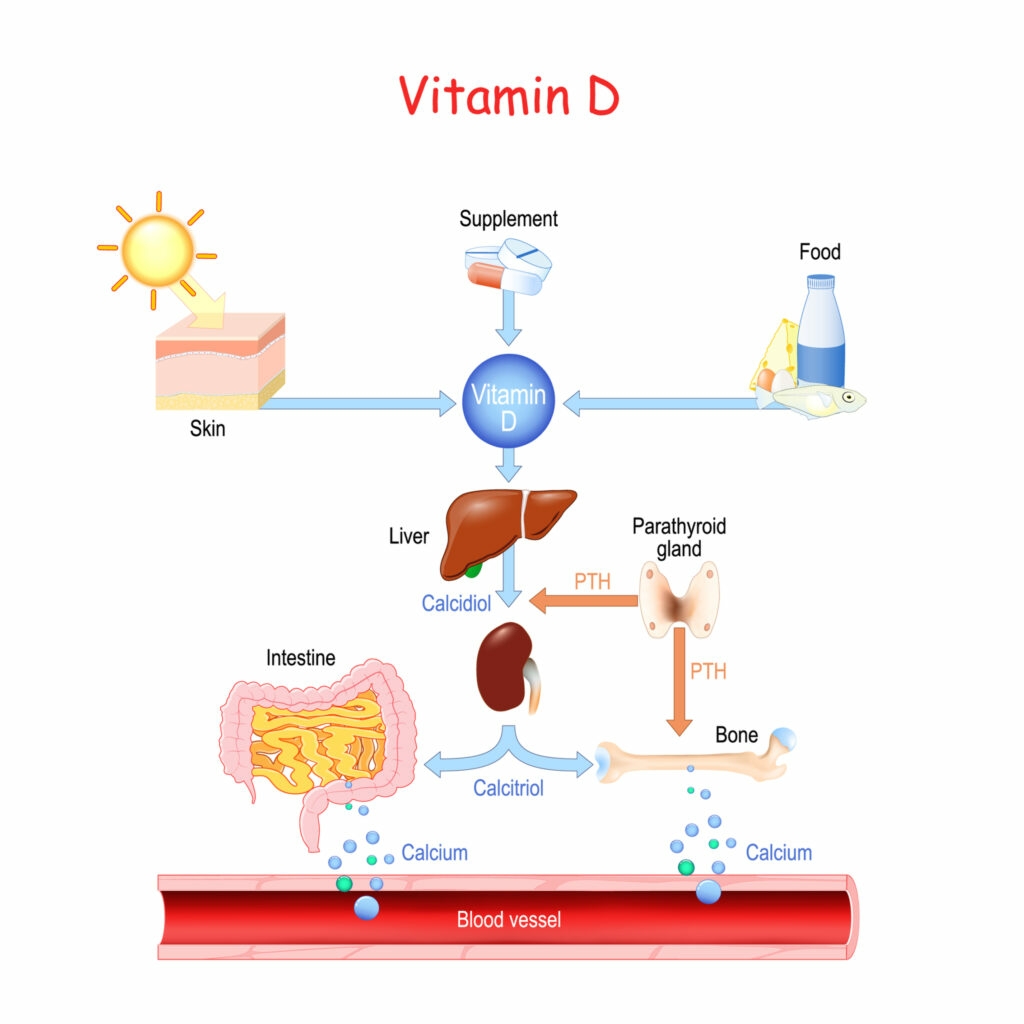
Vitamin D is essential for bone health, preventing rickets in children and osteomalacia or osteoporosis in adults. But its influence extends far beyond bones. Growing evidence shows vitamin D plays a role in asthma, heart failure, and autoimmune conditions such as multiple sclerosis and inflammatory bowel disease.
Why is Vitamin D so important?
Vitamin D supports numerous physiological processes and is central to overall well‑being.
“Vitamin D plays a central role in modulating your immune system, muscle function, cardiovascular and respiratory health as well as brain development.”
Once activated, vitamin D helps regulate calcium in your blood, bones, and gut—an essential function for metabolic stability.
Benefits of Vitamin D
- Reduces inflammation through immunoregulatory effects
- Modulates neurotransmitters, supporting mood and neurological balance
- Helps suppress or prevent autoimmune diseases
- Lowers risk of certain cancers
- Reduces severity and frequency of infections like pneumonia and influenza
- Strengthens bones
- Supports cognitive health
- Reduces musculoskeletal pain
- Helps prevent endometriosis and PCOS
- Improves chronic fatigue
- Reduces morbidity associated with hypertension, epilepsy, migraine, diabetes, and cardiovascular disease
- Supports general systemic health
Vitamin D and the Immune system
Vitamin D3 acts as an immunomodulator, influencing various immune cells, like monocytes, macrophages, dendritic cells, and both T‑ and B‑lymphocytes. Low vitamin D levels are consistently linked to higher susceptibility to chronic infections and autoimmune disorders.
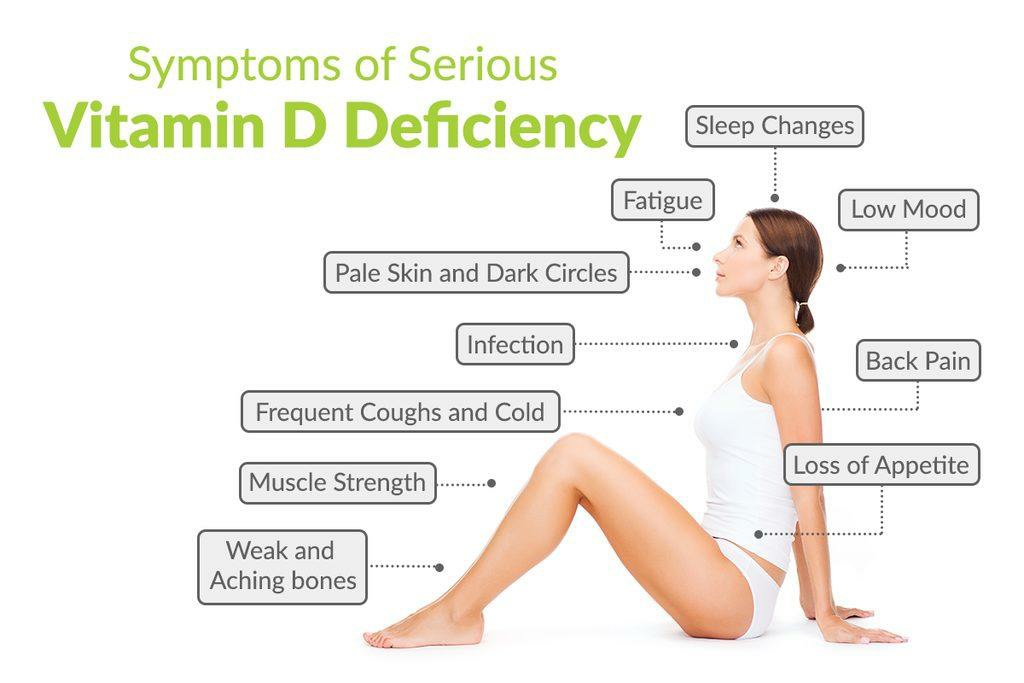
What causes inadequate Vitamin D levels?
Inadequate sun exposure
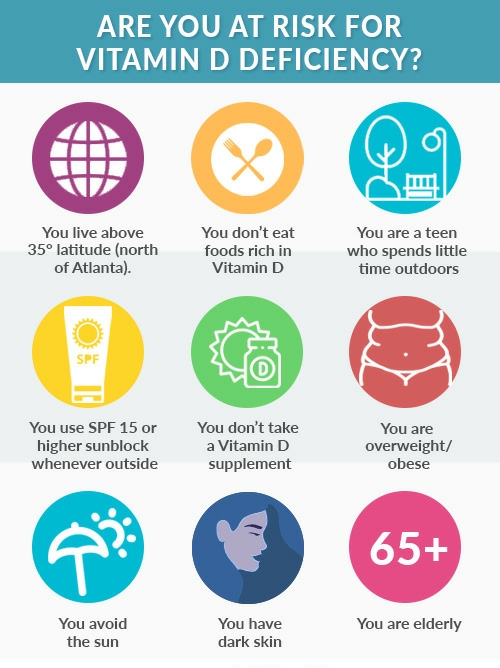
Insufficient sunlight is the leading cause of deficiency. Geographical location, specifically latitude matters: the farther from the equator, the weaker the UVB rays needed for vitamin D synthesis. Seasonal shifts also play a role—summer sun is stronger and lasts longer.
Cities like Miami receive vitamin‑D‑producing sunlight year‑round, while New York lacks adequate UVB for about four months (Nov–Feb), and Boston for about six (Oct–Mar).
Kerley’s “Shadow Rule”:
If your shadow is shorter than your body, you can make vitamin D. If it’s longer, you likely cannot—regardless of how sunny or warm it feels.
Avoid sunburns, but moderate sun exposure is not only safe for most people—it’s beneficial.
Sunscreen use
Heavy sunscreen use can block UVB rays needed for vitamin D synthesis. While sun protection is important, overuse may contribute to deficiency.
Insufficient intake in the diet
Dietary vitamin D is limited. The richest sources include egg yolks, mushrooms, fatty fish, liver, and grass‑fed dairy. This is why deficiency is more common among vegetarians and vegans.
Underlying liver & kidney pathology
Because vitamin D activation depends on liver and kidney function, disorders affecting these organs can impair vitamin D status—even with adequate sun and diet.
Malabsorption conditions
Digestive disorders such as celiac disease, inflammatory bowel disease, or pancreatic insufficiency can reduce absorption of vitamin D and calcium.
E4L body‑field scans can also reveal bioenergetic disruptions—including heavy metal exposure—that contribute to malabsorption patterns.
Subclinical deficiencies
Low levels of calcium, magnesium, boron or vitamin K often accompany vitamin D deficiency due to shared causes like poor nutrition or malabsorption.
Side effects of medications
Certain medications, including corticosteroids and anti-seizure drugs, can interfere with vitamin D synthesis.
How Do We Get Vitamin D?
Vitamin D is scarce in most diets. Oily fish is the strongest natural source (salmon etc.), but you’d need multiple large servings daily to meet optimal levels. Many countries fortify milk, but amounts are typically low.
Mushrooms provide vitamin D only when exposed to sunlight or UVB—and even then, levels remain modest.
“Sunlight remains the most efficient and reliable source.”
More than 90% of systemic vitamin D comes from skin exposure, not food.
A fair‑skinned person in a bathing suit can produce about 20,000 IU in 20 minutes of midday sun. Darker skin also produces vitamin D but requires longer exposure due to higher melanin levels. Aging further reduces the skin’s ability to synthesize vitamin D.

Should You Supplement Vitamin D?
An optimal blood level is around 30 ng/mL (75 nmol/L), measured via the 25‑hydroxyvitamin D test. Moderate, regular sun exposure is ideal, but not always practical—especially in winter or for those with limited outdoor time.
Two forms of vitamin D exist:
- D2 (plant‑based)
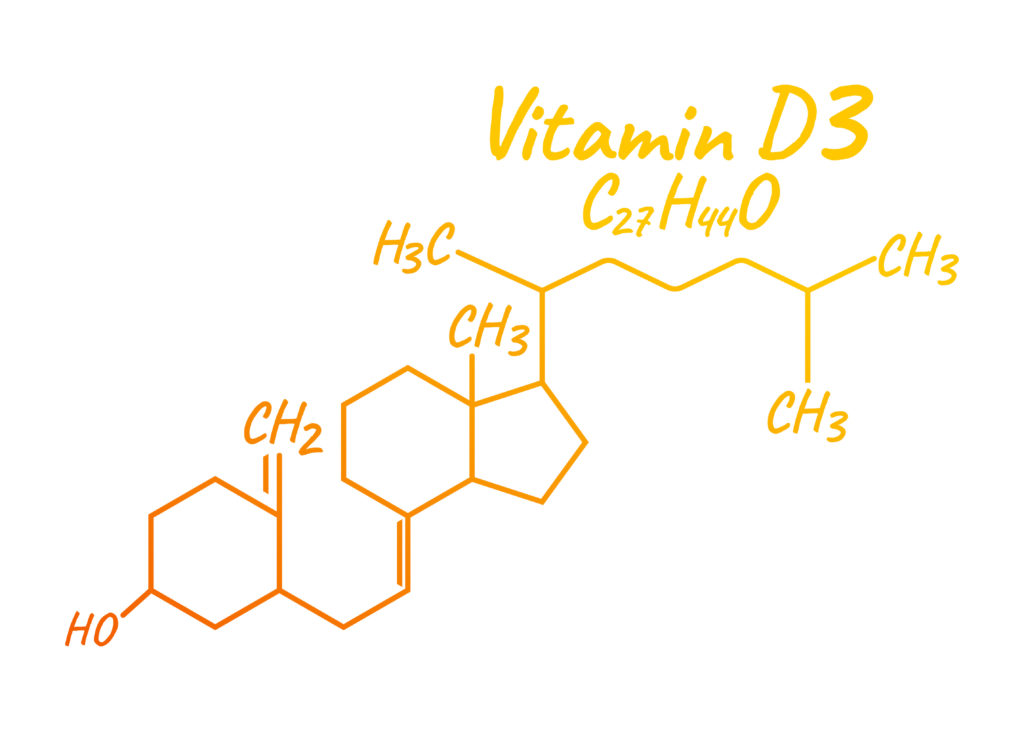
- D3 (traditionally animal‑derived, now also available in plant‑based forms)
D3 is significantly more effective at raising blood levels.
A general adult starting point is 2,000 IU daily, but individual needs vary based on body size, diet, sun exposure, and genetics. Discussing your specific situation with a healthcare practitioner is always recommended. Taking vitamin D with food and consistently (especially in winter) improves absorption.

Conclusion
5 Facts About Vitamin D
- Vitamin D is a precursor to the hormone calcitriol
- It supports bone health and numerous other body functions
- Over 75% of Americans are deficient
- Mushrooms are one of the few natural plant-based sources
- Sunshine is the primary source for most humans
Vitamin D isn’t a cure‑all, but it is essential. Aim for moderate sun exposure when possible and consider supplementation when it’s not.

All-Natural Supplements

All-Natural Supplements

All-Natural Supplements
Body-Field Scan
Ready to find out what’s impacting your energy levels by using our bioenergetic scanning technology. Check out your body’s energy with a Body-Field scan and gain deeper insight into your holographic self with our certified Bioenergetic Practitioner. For an In-Clinic visit click here, or, for a Telehealth (remote) session click here.
We offer a completely new, alternative and bioenergetic healthcare approach based on 21st century science, technology and quantum physics with personalized, holistic therapy solutions such as, our unique BioScalar Infusion℠ therapy, Bioenergetic body-field scan technology, miHealth biofeedback, PEMF, Rife and Vibroacoustic (VAT) therapies that can restore optimal health and well-being throughout the body, mind and spirit in the most natural way. Let us help you restore your health and energy!